
Dow Jones Declines Amid Geopolitical Tensions in Strait of Hormuz
Fri, July 10, 2026Dow Jones Declines Amid Geopolitical Tensions in Strait of Hormuz
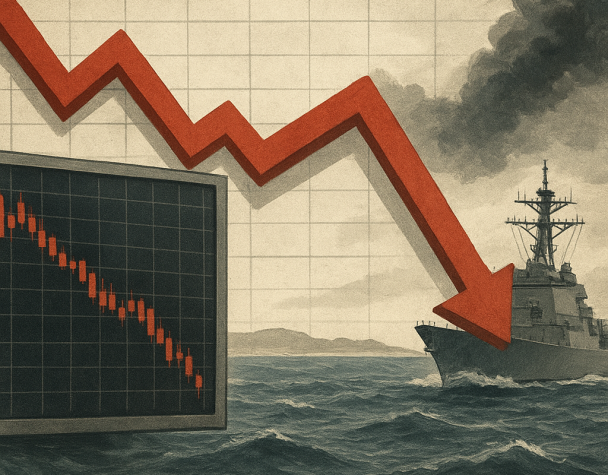
On Wednesday, July 8, 2026, the Dow Jones Industrial Average experienced a significant decline, dropping 577 points (1.1%) to close at 52,348.39. This downturn was primarily driven by escalating geopolitical tensions in the Strait of Hormuz, a critical chokepoint for global oil shipments.
Geopolitical Developments Impacting Markets
The market’s reaction was influenced by statements from U.S. President Donald Trump, who cast doubt on a temporary truce with Iran. This uncertainty led to concerns over potential disruptions in oil supply routes, causing Brent crude oil prices to surge by 5%, exceeding $78 per barrel. The energy sector responded positively, with companies like Chevron and Occidental Petroleum posting gains of 1.1% and 3.7%, respectively.
Mixed Performance Across Major Indexes
While the Dow faced a notable decline, other major indexes showed mixed results. The S&P 500 dipped 0.3%, losing 21.14 points to close at 7,482.71. In contrast, the Nasdaq Composite managed to reverse early losses, gaining 0.2% (51.96 points) to end at 25,870.65. This resilience was largely attributed to gains in technology stocks, with companies like Nvidia rising by 3.7%.
Technology Sector Highlights
In the technology sector, Apple and Broadcom announced a significant agreement, confirming a $30 billion custom silicon deal extending through 2031. This news bolstered investor confidence, leading to stock price increases of 0.9% for Apple and 4.8% for Broadcom.
Global Market Reactions
International markets also felt the impact of these developments. In South Korea, chipmakers Samsung and SK Hynix experienced steep back-to-back losses, dragging the country’s KOSPI index into bear market territory. This downturn reflects broader concerns over the stability of global supply chains amid rising geopolitical tensions.
Federal Reserve’s Stance
Adding to the day’s complexities, the Federal Open Market Committee (FOMC) released minutes from its June meeting. The minutes, notably shorter under new Fed Chair Kevin Warsh, revealed internal debates over interest rates and inflation. This shift in communication style signals a potential new approach to monetary policy, leaving investors to speculate on future rate decisions.
Conclusion
The recent decline in the Dow Jones underscores the market’s sensitivity to geopolitical events, particularly those affecting critical resources like oil. As tensions in the Strait of Hormuz continue to unfold, investors are advised to monitor developments closely. The interplay between geopolitical dynamics and economic indicators will likely influence market behavior in the coming weeks, emphasizing the importance of staying informed and agile in investment strategies.