
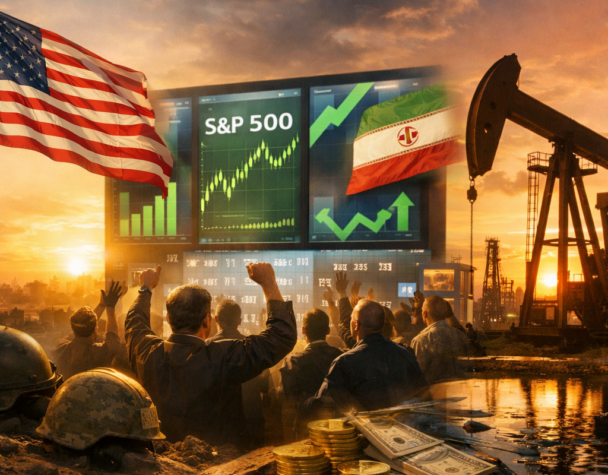
Ceasefire Rally: S&P 500, Dow & Nasdaq Surge Live
Thu, April 09, 2026Introduction
In a dramatic session driven by geopolitics and energy-price moves, U.S. equity benchmarks posted outsized gains after a U.S.-Iran ceasefire was announced. The relief trade pushed the Dow higher by roughly 1,325 points, the S&P 500 up about 2.5% to 6,782.81, and the Nasdaq climbed near 2.8% to 22,635.00. Markets interpreted the ceasefire and a sharp drop in oil as a reduction in near-term risk, prompting repositioning across equities, bonds, and commodities.
What Happened and Why It Mattered
Ceasefire Announcement and Risk Appetite
The surprise diplomatic move triggering a two-week ceasefire reduced the immediate geopolitical premium that had inflated oil and safe-haven assets. Investors reacted quickly: equity futures surged ahead of the open and translated into an intense intraday rally. The move illustrates how concentrated political events can reverse sentiment and produce one of the largest single-day gains in recent memory for major indexes.
Energy Prices and Interest-Rate Expectations
Oil slid below the mid-$90s per barrel range after the ceasefire, alleviating concerns about prolonged supply disruptions. That drop helped push Treasury yields lower, easing pressure on interest-rate-sensitive sectors. With yields falling, markets priced in greater odds of an earlier or deeper series of Fed rate cuts than had been expected just days earlier, which in turn bolstered growth-oriented and cyclical stocks.
Index-Level Impact and Sector Rotation
Index Moves: Numbers That Mattered
- Dow Jones Industrial Average: up about 1,325.46 points (+2.8%).
- S&P 500: gained roughly 165.96 points (+2.5%), reaching 6,782.81.
- Nasdaq Composite: added approximately 617.15 points (+2.8%), to 22,635.00.
Those gains reflect broad participation rather than a narrow tech-only advance; cyclicals, energy (initially on the moves in oil), and financials all saw notable action intraday.
Who Won and Who Lagged
Financials benefited from a steepening rally in risk assets as credit spreads tightened, while industrial and consumer discretionary names rallied on expectations that a calmer geopolitical environment would support trade and normal supply flows. Defensive utilities and parts of consumer staples lagged given the rotation back into higher-beta assets.
Implications for Investors
Short-Term Opportunities and Risks
The abrupt reversal underscores two points: first, headline-driven events can rapidly reset pricing across asset classes; second, such relief rallies can be sharp but may also be fragile. Traders may find short-term momentum trades, but longer-horizon investors should weigh whether fundamentals now justify higher valuations or if gains simply reflect a temporary sentiment swing.
Macro Considerations
With yields declining after the ceasefire and oil pullback, inflation expectations eased modestly. That dynamic increases the probability of earlier Fed easing in market pricing, though any policy pivot depends on incoming inflation and labor data. Investors should monitor weekly economic reads and upcoming Fed commentary for confirmation.
Conclusion
The U.S.-Iran ceasefire unlocked a rapid risk-on repricing that lifted the Dow, S&P 500, and Nasdaq sharply in a single session. Falling oil and lower Treasury yields amplified the move and shifted short-term Fed expectations. While the rally relieved near-term geopolitical fears and created trading opportunities, the speed of the move also raises the likelihood of heightened volatility as markets reassess fundamentals against evolving headlines.