
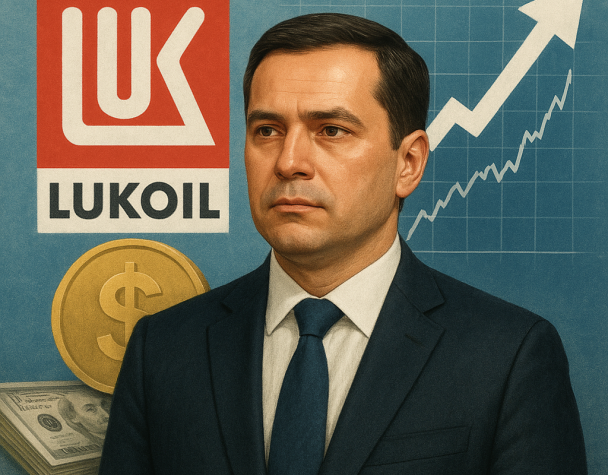
Lukoil Asset Sale Advances as Brazil Finance Appointment Reassures Markets
Fri, November 27, 2026A U.S.-led consortium has agreed to acquire assets from Russian oil producer Lukoil, while Brazil’s choice of a veteran banker to lead its finance ministry helped lift the country’s currency and stock market. The developments highlight how sanctions policy, energy ownership and fiscal credibility are shaping investment decisions across emerging and developed markets.
Consortium agrees to acquire Lukoil assets
The International Development Finance Corp., UAE-based Catena Investment Holding and New York-based Xtellus Capital Partners have agreed to acquire assets from Lukoil, according to The Associated Press. The agreement represents a new stage in efforts to restructure ownership of assets linked to one of Russia’s largest oil companies.
The transaction follows sanctions imposed by the Trump administration on Lukoil and Rosneft in October 2025 as part of broader pressure on Moscow over the war in Ukraine. The involvement of a U.S. government lender gives the proposed acquisition a significant policy and geopolitical dimension, while Catena and Xtellus provide private-sector participation.
For investors, the deal illustrates how sanctions can reshape energy ownership and create opportunities for buyers able to navigate regulatory, political and operational risks. It also underscores the importance of distinguishing an agreed acquisition from a completed transaction: the consortium has agreed to acquire the assets, but the transaction remains subject to the required closing conditions and approvals.
Brazil markets respond to finance-ministry appointment
Brazilian markets rallied on Friday, November 27, after President Luiz Inácio Lula da Silva confirmed that a veteran Bradesco banker would lead the finance ministry in 2027. The appointment was viewed by investors as a signal that the administration intends to maintain a focus on fiscal discipline.
Brazil’s real and stock market had weakened after Lula’s victory over Flávio Bolsonaro in last month’s presidential election, amid concerns about the direction of economic policy. The finance-ministry appointment gave investors a clearer indication of the government’s preferred economic approach, according to the Associated Press.
The market reaction shows how personnel decisions can influence asset prices when investors are assessing fiscal policy, public spending and the credibility of future economic management. The appointment does not by itself establish new fiscal measures, however, and investors will likely focus on the minister’s policy agenda and the government’s implementation of its budget plans.
Together, the two developments point to different but related considerations for investors in international markets: ownership changes driven by sanctions and geopolitical risk on one hand, and the market value of policy credibility on the other. The Lukoil agreement must still move through the remaining transaction process, while Brazil’s initial market response will be tested by the new finance ministry’s actions in 2027.