
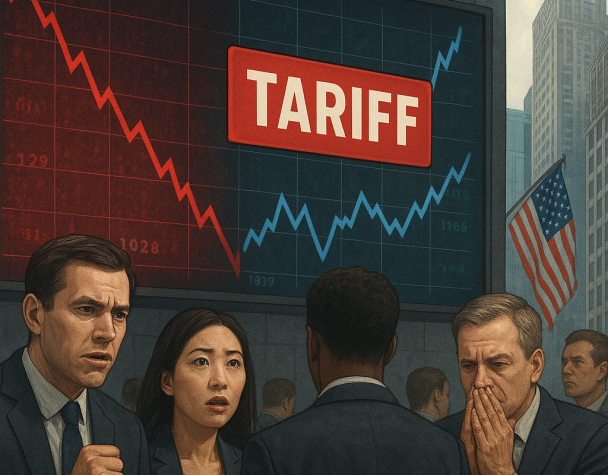
Global Markets React to New Trade Tariffs Amid Rising Tensions
Wed, July 08, 2026Global Markets React to New Trade Tariffs Amid Rising Tensions
On July 7, 2026, the United States announced the imposition of new tariffs on a range of imported goods from China, escalating ongoing trade tensions between the two economic powerhouses. This move has sent shockwaves through global financial markets, leading to significant volatility across various asset classes.
Immediate Market Impact
In response to the announcement, major stock indices experienced sharp declines. The S&P 500 fell by 2.5%, while the Dow Jones Industrial Average dropped 3%. European and Asian markets mirrored this trend, with the FTSE 100 and Nikkei 225 both losing over 2% in value. Currency markets also reacted, with the US dollar strengthening against the Chinese yuan, reflecting investor concerns over potential retaliatory measures from China.
Investor Sentiment and Sectoral Effects
Investor sentiment has turned cautious, with many seeking refuge in traditional safe-haven assets such as gold, which saw a 1.8% increase in its spot price. The technology and manufacturing sectors, heavily reliant on international supply chains, have been particularly hard-hit. Companies like Apple and Boeing reported stock price declines of 4% and 3.5%, respectively, due to concerns over increased production costs and potential supply chain disruptions.
Government Responses and Future Outlook
In response to the US tariffs, the Chinese government has indicated plans to implement countermeasures, including tariffs on American agricultural products and automobiles. This tit-for-tat escalation raises fears of a prolonged trade war, which could dampen global economic growth. Economists warn that continued trade disputes may lead to increased inflation and reduced consumer spending, further impacting investment portfolios worldwide.
Conclusion
The introduction of new US tariffs on Chinese imports has introduced significant uncertainty into the global investment landscape. Investors are advised to monitor developments closely and consider diversifying their portfolios to mitigate potential risks associated with escalating trade tensions.
Renewable Energy Sector Boosted by New Government Incentives
On July 7, 2026, the European Union unveiled a comprehensive package of incentives aimed at accelerating the adoption of renewable energy technologies. This initiative is expected to have a profound impact on the renewable energy sector, particularly benefiting companies involved in solar and wind energy production.
Details of the Incentive Package
The EU’s new policy includes substantial subsidies for renewable energy projects, tax breaks for companies investing in green technologies, and streamlined regulatory processes to expedite project approvals. These measures are designed to help the EU meet its ambitious climate targets and reduce dependence on fossil fuels.
Market Response and Sectoral Impact
Following the announcement, shares of leading renewable energy companies experienced notable gains. For instance, Siemens Gamesa Renewable Energy saw its stock price increase by 5%, while Vestas Wind Systems reported a 4% rise. Analysts attribute these gains to the anticipated surge in demand for renewable energy solutions driven by the new incentives.
Implications for Investors
Investors with holdings in the renewable energy sector stand to benefit from the EU’s policy shift. The incentives are expected to spur innovation and expansion within the industry, potentially leading to increased profitability for companies involved. However, investors should remain vigilant, as the sector’s growth is also influenced by factors such as technological advancements and global energy market dynamics.
Conclusion
The European Union’s introduction of new incentives for renewable energy marks a significant step toward a more sustainable future. For investors, this development presents opportunities within the renewable energy sector, underscoring the importance of staying informed about policy changes that can impact market dynamics.