
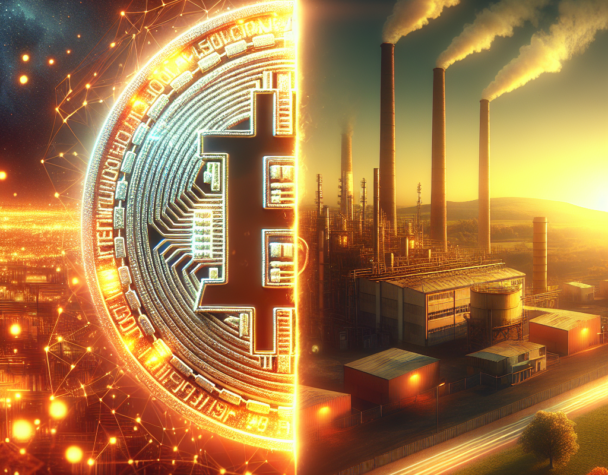
Binance Shifts $1B to SAFU; Centrus Fire Hits LEU!
Sat, February 14, 2026Introduction
Two distinct, verifiable events in the past 24 hours are prompting investors to revisit risk frameworks across asset classes. Binance—one of the largest cryptocurrency exchanges—has moved $1 billion in Bitcoin into its Secure Asset Fund for Users (SAFU), an action intended to shore up user protections. Separately, Centrus Energy (ticker: LEU) experienced a facility fire that halted production, immediately affecting a tightly specialized uranium enrichment niche. Both moves are concrete, operational developments rather than market rumor, and each carries specific implications for portfolio managers and individual investors.
Binance Bolsters SAFU with $1 Billion in Bitcoin
What happened
Binance transferred roughly $1 billion worth of Bitcoin into its SAFU reserve. SAFU is an emergency fund the exchange has used in the past to protect customers in extreme scenarios. By converting liquid Bitcoin into that reserve, Binance is signaling a deliberate decision to increase the built-in protection layer for users’ digital assets.
Why this matters to investors
For crypto holders and institutional allocators, the move functions like a capital buffer at a bank or an insurer holding additional surplus: it reduces immediate counterparty risk tied to the exchange’s custody operations. The practical effects include an increased perception of safety around assets held on Binance and a higher bar for confidence among institutional entrants evaluating custody partners. While it does not eliminate systemic crypto risks, the action can lower short-term volatility tied to exchange-specific trust issues and may influence flows from cautious investors.
Centrus Energy Facility Fire Halts Uranium Production
What happened
Centrus Energy reported a fire at one of its facilities that forced an operational shutdown. The incident produced an immediate suspension of production activities, and the company has temporarily paused output while assessing damage and safety. Shareholders reacted swiftly, with LEU shares falling as markets priced in lost output and potential remediation costs.
Sector-specific implications
The uranium enrichment sector operates with relatively few specialized facilities; a single-site disruption can tighten supply for downstream utilities operating nuclear reactors. For companies and investors tied to nuclear fuel supply chains—utilities, long-term physical fuel buyers, and specialty suppliers—the fire underscores how physical infrastructure events can translate quickly into contractual and delivery risks. In practical terms, clients with scheduled deliveries or capacity contracts should expect notifications from suppliers and may need to revisit contingency fuel arrangements. Insurance claims, regulatory inspections, and remediation timelines will determine the duration and broader financial impact, but the immediate result is a focal example of operational risk in industrial commodities.
Cross-Asset Takeaways for Investors
Reassess counterparty and operational risk
Both events highlight two different but complementary types of risk: custody/counterparty risk in digital assets and physical-operational risk in hard-asset supply chains. Investors should review where assets are held and which counterparties carry custody or delivery obligations. Practical steps include confirming reserve disclosures, custody arrangements, and insurance coverage for critical infrastructure exposures.
Portfolio construction and risk budgeting
These developments argue for explicit allowances in risk budgets for operational shocks. For crypto allocations, that could mean favoring custody solutions with transparent reserves and third-party attestations. For commodity or infrastructure exposure, it means stress-testing delivery schedules and counterparties for single-point failures.
Conclusion
The Binance SAFU conversion and Centrus Energy’s facility fire are concrete events that demand attention for different reasons. Binance’s $1 billion allocation to SAFU is a clear, confidence-oriented action in crypto custody, while Centrus’s outage is a reminder that physical-asset investments carry concentrated operational risks. Both underscore the necessity of assessing custody, insurance, and counterparty resilience as part of modern portfolio management.
Investors should monitor company disclosures and regulatory filings for further details on timelines and remediation plans and adjust exposure or hedges as warranted by their risk tolerance and investment horizons.