
Historical Investment News Stories

IMF Flags FX Liquidity Risk — EU Cuts Steel Quotas
Two regulatory moves in the last 24 hours demand investor attention: the IMF warned of under‑appreciated liquidity risks in the $9.6T foreign‑exchange market and urged bigger buffers and swap‑line readiness; separately, the European Commission proposed halving tariff‑free steel import quotas and steeply raising out‑of‑quota duties, drawing pushback from automakers. Both are event‑driven, actionable, and carry distinct implications for banks, EM funding, autos, and steel supply chains.

U.S. Shutdown Disrupts Data; AMD–OpenAI Deal Hits!
A continued U.S. federal shutdown is interrupting economic data releases and agency operations, creating short-term uncertainty for investors who rely on timely fiscal and regulatory signals. Separately, AMD and OpenAI signed a multi-year supply-and-equity-option agreement for AI accelerators—material for AI infrastructure suppliers and GPU competition.

OPEC+ Cuts Back Hike; India AMC IPO Prices Set Now
OPEC+ approved a modest 137,000 bpd November output increase, supporting oil prices and energy names; Canara Robeco set an IPO band of ₹253–₹266, a ~₹53bn valuation, signaling flows into India asset-management equities.

Takaichi LDP Win Drags Yen; Bitcoin >$125K Surge!!
Japan’s ruling party leadership win by Sanae Takaichi pushes policymakers toward fiscal stimulus and a potential BOJ pause, pressuring the yen and lifting exporters; concurrently Bitcoin pierced $125,000, tightening crypto flows and benefiting ETFs, miners and exchanges. Key watch points: BOJ communications, USD/JPY around 150, ETF flows and miner economics.

US Shutdown Halts Jobs Data; TOKEN2049 Sanctions
A U.S. federal shutdown stopped the October jobs release, creating a near‑term data gap that will affect rate pricing and corporate issuance windows. Separately, a rouble‑backed stablecoin linked to sanctioned entities was removed from TOKEN2049 materials, underscoring rising compliance risk for crypto counterparties and event hosts.
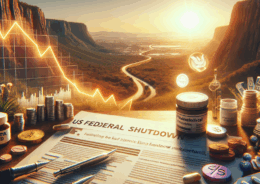
US Shutdown Cuts Data; FDA Approves New Generic Rx
A U.S. federal shutdown has halted key economic data releases and slowed regulator operations, raising short‑term policy and volatility risks. Separately, the FDA cleared an additional generic mifepristone, tightening pricing and distribution dynamics for select healthcare players.

U.S. Shutdown Dampens Risk; Balkans Energy Waiver.
A U.S. federal shutdown began after funding stalled, creating immediate uncertainty for economic data, some federal services, and risk sentiment—potentially shaving ~ $15B weekly from GDP if prolonged. Separately, the U.S. granted a short sanctions waiver for Serbia’s NIS and Croatia’s JANAF through Oct 8, averting an immediate Balkan fuel disruption but leaving a narrow window of operational risk.

U.S. Shutdown Hits Data Flow; DOE Backs Lithium Up
A sudden U.S. federal shutdown has interrupted routine data releases and injected fiscal uncertainty across asset classes, while the Department of Energy’s 5% equity stake in Lithium Americas and its JV with GM signals stronger U.S. support for domestic EV battery supply. Together, these developments force investors to balance macro-data gaps and headline risk with targeted industrial-policy opportunities in critical minerals.

US Shutdown Risk Hits Rates; RBA Hold Lifts AUD FX
A looming U.S. funding lapse threatens to pause key macro data — including the September jobs report — pressuring USD-sensitive strategies and lifting safe havens. Separately, the Reserve Bank of Australia kept policy steady, giving a near-term lift to the Australian dollar and AUD‑linked assets.

UN Sanctions Snapback Tightens Oil, Shipping Risks
UN reimposed sanctions on Iran via snapback, raising energy and shipping compliance costs; separately, Iraq’s Kurdistan restarted crude exports through Ceyhan (~180–190 kb/d), easing a regional supply pocket. Practical investor steps and sector impacts outlined.

UN Sanctions Return on Iran; South Korea FX Truce!
A snap‑back of UN sanctions on Iran and a U.S.–South Korea FX clarification arrived within 24 hours. The Iran move raises energy, shipping and defense risk premia and compliance burdens; Seoul’s confirmation reduces headline FX risk for Korean exporters and the won. Below: concise facts, investor impacts, and a short watchlist.

PCE Inflation Steady; FAA Restores Boeing Cert
US PCE inflation held near recent readings, keeping the Fed on a gradual-easing path and sending yields slightly lower, while the FAA’s move to partially return self-certification to Boeing eases delivery bottlenecks for 737 MAX and 787 jets and helps suppliers — though production caps remain.

Tariffs Hit U.S. Pharma;Turkish Airlines 225 Jets!
The U.S. announced sharp new import tariffs (effective Oct 1) that target branded pharmaceuticals, heavy trucks and home furnishings — raising near-term cost and pricing pressure for supply chains and drug importers. Separately, Turkish Airlines agreed to buy up to 225 Boeing jets (widebodies and MAX narrowbodies), conditional on engine deals, supporting Boeing's multi-year backlog and engine‑OEM aftermarket prospects.

SEC Fast-Tracks Crypto ETFs; Freeport Cuts Copper!
The SEC announced a standardized, faster pathway for approving cryptocurrency ETFs, prompting a rush of filings and potential broad retail access. Separately, Freeport-McMoRan trimmed Q3 copper and gold sales after a deadly incident at its Grasberg block cave, tightening near-term copper supply and lifting commodity prices.
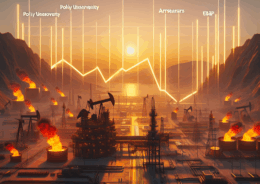
OECD Downgrade; Kurdistan Oil Restart Stalls Today
The OECD cut its near‑term growth outlook and warned of weaker trade and policy uncertainty, prompting a bias toward quality and duration optionality. Separately, a planned restart of ~230k bpd of Kurdistan crude via Turkey has been delayed over arrears disputes, pressuring Brent and specific E&P stocks (DNO, Genel).

Iraq-Kurdistan Oil Flow Returns; China Accepts Soy
Two concrete trade-and-energy developments: Baghdad and Erbil reached a deal to restart ~230,000 b/d of crude via Turkey, and China cleared seven Argentine crushers to ship soymeal—each move has clear, near-term implications for commodity flows, sector earnings and trade-sensitive instruments.

China Holds Loan Rates; Turkey Drops U.S. Tariffs!
China left its Loan Prime Rates unchanged for a fourth month, anchoring borrowing costs and influencing Asian credit, property, and commodity demand. Separately, Turkey lifted additional tariffs on a range of U.S. imports, reopening opportunities for U.S. exporters in autos, food and beverages, and select industrial goods. Both moves are event-driven and have clear, actionable implications for investors.

Iran UN Snapback Risk Sends Oil, Defense Rates Up!
Two event-driven developments: the UN "snapback" path to reimpose Iran sanctions advanced this week, elevating near-term risk for energy, shipping insurance and defense demand; and a major FAA telecom/fiber failure around Dallas TRACON caused thousands of flight disruptions, exposing aging air-traffic communications and near-term operating risks for airlines and infrastructure vendors.

UN Keeps Iran Sanctions; US Bipartisan Coffee Bill
UN Security Council refused to lift Iran sanctions, setting a snapback deadline that elevates near‑term energy, shipping, and sanctions‑compliance risks. Separately, a bipartisan U.S. bill would roll back recent coffee tariffs, directly affecting roasters, retailers and arabica traders.

U.S. Seeks Firing of Fed Governor; BOJ Sells ETFs
Two concrete policy actions: the White House asked the Supreme Court to permit removal of a Fed governor, raising questions about central-bank independence and Treasury/Fed rate pricing; the Bank of Japan announced it will begin selling ETF and J‑REIT holdings, removing a major structural buyer from Japanese equities and listed real estate.