
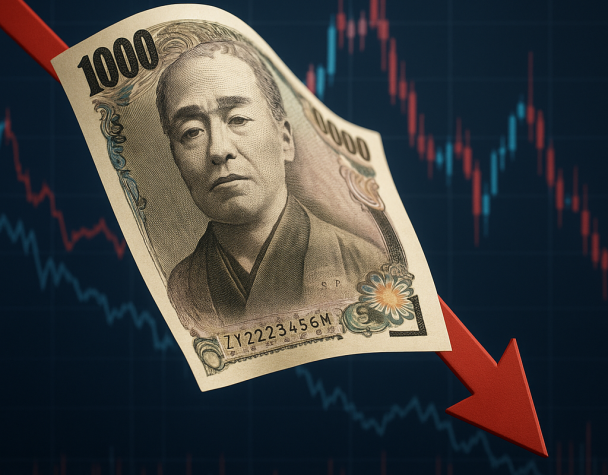
Market Turbulence: Japanese Yen Falls to Lowest Value in Four Decades
Tue, July 21, 2026Market Turbulence: Japanese Yen Falls to Lowest Value in Four Decades
As of July 21, 2026, the Japanese yen (JPY) has depreciated to a 40-year low against the US dollar (USD), with the exchange rate reaching 162.5184 JPY per USD. This significant decline has intensified market speculation regarding potential intervention by Japanese authorities to stabilize the currency.
Current Exchange Rate Dynamics
The USD/JPY exchange rate has been on a downward trajectory, with the yen weakening steadily over recent months. According to data from Investing.com, the pair traded at 162.39 on July 17, 2026, with a 52-week range between 145.48 and 162.85. This trend underscores the yen’s persistent depreciation against the dollar.
Factors Contributing to Yen Depreciation
Several factors have contributed to the yen’s decline:
- Interest Rate Differentials: The U.S. Federal Reserve’s monetary policy stance, characterized by higher interest rates, has attracted investors seeking better returns, leading to increased demand for the USD over the JPY.
- Economic Performance: Japan’s economic growth has been relatively sluggish compared to the U.S., influencing investor confidence and currency valuations.
- Trade Balances: Japan’s trade balance dynamics, including import-export ratios, have also played a role in the currency’s performance.
Market Speculation on Intervention
The yen’s sharp depreciation has led to heightened speculation about possible intervention by the Bank of Japan (BOJ) or the Ministry of Finance to curb further declines. Historically, Japanese authorities have intervened in the currency markets to stabilize the yen when it experiences excessive volatility or reaches levels that could harm the economy.
However, as of now, there have been no official statements indicating imminent intervention. Market participants remain vigilant, closely monitoring any signals from policymakers that could influence the yen’s trajectory.
Implications for the Global Economy
The yen’s depreciation has several implications:
- Export Competitiveness: A weaker yen makes Japanese exports more competitive, potentially boosting the country’s export-driven economy.
- Import Costs: Conversely, it increases the cost of imports, which could contribute to domestic inflationary pressures.
- Global Trade Dynamics: The yen’s movements can influence global trade patterns, especially in Asia, where Japan is a key economic player.
Conclusion
The Japanese yen’s decline to a 40-year low against the US dollar is a significant development in the forex market. While market speculation about potential intervention persists, the absence of official action leaves the currency’s future direction uncertain. Traders and investors should remain attentive to policy announcements and economic indicators that could impact the yen’s performance in the coming weeks.