
Japanese Yen's Recent Decline: Analyzing the Factors Behind the 40-Year Low
Thu, July 30, 2026Japanese Yen’s Recent Decline: Analyzing the Factors Behind the 40-Year Low
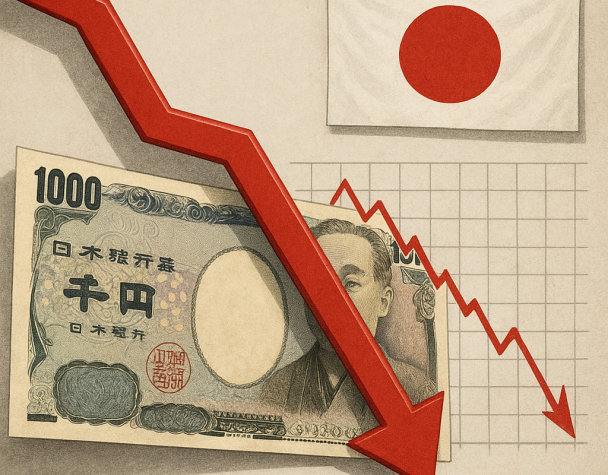
The Japanese yen has recently experienced a significant depreciation, reaching a 40-year low against the U.S. dollar. As of July 30, 2026, the exchange rate stands at 159.9728 yen per dollar. This decline has raised concerns among policymakers and market participants alike.
Historical Context and Recent Trends
Historically, the yen has been considered a stable currency. However, since early 2021, it has been on a downward trajectory against the dollar. In April 2024, the yen fell to 160.17 per dollar, the lowest since April 1990, before recovering to 155.01 amid speculation of intervention by Japanese authorities. This pattern of decline and partial recovery has continued, with the yen reaching similar lows in subsequent years.
Factors Contributing to the Yen’s Depreciation
Several factors have contributed to the yen’s recent decline:
- Interest Rate Differentials: Japan’s prolonged low-interest-rate policy, aimed at combating domestic deflation, has created a yield differential with countries like the United States, which have higher interest rates to tackle inflation. This differential has prompted investors to seek higher returns in foreign currencies, leading to a weaker yen.
- Market Speculation: Traders have been speculating on the yen’s movements, anticipating potential interventions by Japanese authorities. This speculation can lead to increased volatility and further depreciation.
- Economic Policies: The Bank of Japan’s monetary policies, including quantitative easing and low-interest rates, have influenced the yen’s value. While these policies aim to stimulate the domestic economy, they can also lead to a weaker currency.
Government Interventions and Market Reactions
In response to the yen’s decline, Japanese authorities have occasionally intervened in the foreign exchange market. For instance, in April 2026, the Japanese government and the Bank of Japan carried out large-scale currency interventions when the yen weakened past 160 to the dollar. These interventions briefly strengthened the yen to the 155 range, but the currency soon drifted back to around 159.
Such interventions are aimed at stabilizing the currency and preventing excessive volatility. However, their effectiveness can be short-lived if underlying economic factors continue to exert downward pressure on the yen.
Implications for the Japanese Economy
A weaker yen has both positive and negative implications for Japan’s economy:
- Export Competitiveness: A depreciated yen makes Japanese exports cheaper and more competitive in international markets, potentially boosting the country’s export-driven economy.
- Import Costs: Conversely, a weaker yen increases the cost of imports, including essential commodities like energy and raw materials. This can lead to higher production costs for domestic industries and increased prices for consumers.
- Inflationary Pressures: Higher import costs can contribute to inflationary pressures within Japan, affecting the purchasing power of consumers and potentially leading to changes in monetary policy.
Conclusion
The Japanese yen’s recent decline to a 40-year low is the result of a complex interplay of factors, including interest rate differentials, market speculation, and domestic economic policies. While government interventions have been employed to stabilize the currency, their long-term effectiveness remains uncertain. Moving forward, it will be crucial for Japanese policymakers to balance the benefits of a weaker yen for exports with the potential drawbacks of increased import costs and inflationary pressures.