
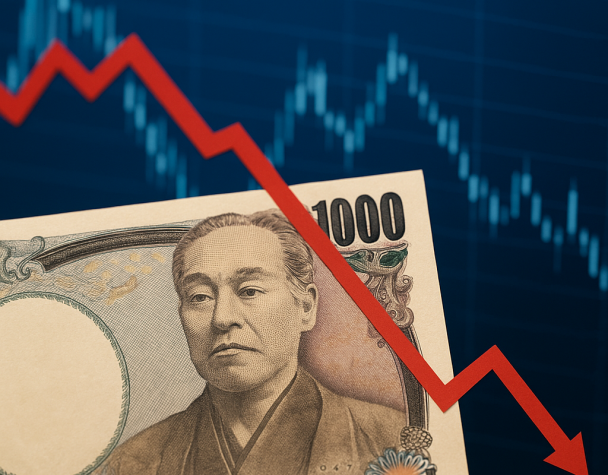
Japanese Yen Nears Record Lows Amidst Market Speculation on Intervention
Sun, July 12, 2026Japanese Yen Nears Record Lows Amidst Market Speculation on Intervention
As of July 12, 2026, the Japanese yen (JPY) continues its downward trajectory, with the USD/JPY exchange rate reaching 161.6724. This marks a significant depreciation, bringing the yen close to its lowest levels in decades.
Current Exchange Rate Dynamics
The yen’s decline has been persistent, with the USD/JPY pair trading between 161.27 and 162.49 in recent sessions. Over the past year, the exchange rate has fluctuated between 145.48 and 162.85, indicating a substantial weakening of the yen.
Factors Contributing to Yen Depreciation
Several factors have contributed to the yen’s depreciation:
- Interest Rate Differentials: The U.S. Federal Reserve’s monetary tightening has widened the interest rate gap between the U.S. and Japan, making the dollar more attractive to investors.
- Economic Policies: Japan’s prolonged ultra-loose monetary policy has kept domestic interest rates low, further diminishing the yen’s appeal.
- Trade Balances: Japan’s trade deficits have also played a role in the currency’s weakening.
Market Speculation on Potential Intervention
The yen’s rapid decline has led to market speculation about potential intervention by Japanese authorities. Historically, the Ministry of Finance (MoF) has intervened in the foreign exchange market to stabilize the yen when it approaches critical levels. For instance, in April 2026, the MoF and the Bank of Japan (BoJ) intervened when the USD/JPY rate neared 160.73, resulting in a sharp appreciation of the yen.
Given the current exchange rate nearing previous intervention thresholds, traders are closely monitoring official statements and market movements for signs of potential action.
Implications for the Global Economy
The yen’s depreciation has several implications:
- Export Competitiveness: A weaker yen makes Japanese exports more competitive, potentially boosting the country’s export-driven economy.
- Import Costs: Conversely, it increases the cost of imports, which could contribute to domestic inflation.
- Global Trade: Fluctuations in the yen can impact global trade balances and influence monetary policies in other economies.
Conclusion
As the Japanese yen approaches historic lows, market participants remain vigilant for potential interventions by Japanese authorities. The interplay between interest rate differentials, economic policies, and trade balances will continue to influence the yen’s trajectory in the coming weeks.