
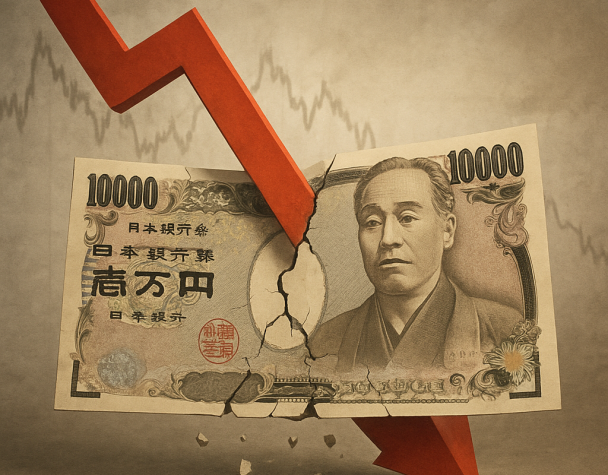
Japanese Yen Hits 40-Year Low Amidst Market Speculation on Intervention
Tue, July 07, 2026Japanese Yen Hits 40-Year Low Amidst Market Speculation on Intervention
As of July 7, 2026, the Japanese yen (JPY) has depreciated to a 40-year low against the U.S. dollar (USD), with the USD/JPY exchange rate reaching 162.9333. This significant decline has intensified market speculation regarding potential intervention by Japanese authorities to stabilize the currency.
Current Exchange Rate Dynamics
The yen’s depreciation has been marked by a steady climb in the USD/JPY pair, which now stands at 162.9333. This level reflects a substantial weakening of the yen, raising concerns among investors and policymakers about the potential economic implications.
Factors Contributing to Yen Weakness
Several factors have contributed to the yen’s recent decline:
- Monetary Policy Divergence: The Bank of Japan (BoJ) has maintained an accommodative monetary policy stance, keeping interest rates low to support economic growth. In contrast, other major central banks, such as the Federal Reserve, have adopted more aggressive tightening measures, leading to widening interest rate differentials that favor the dollar over the yen.
- Economic Performance: Japan’s economic recovery has been moderate, with challenges such as declining real wages and a contracting economy in the third quarter of 2025. These factors have dampened investor confidence in the yen.
- Market Sentiment: The yen’s status as a safe-haven currency has been undermined by global economic uncertainties and geopolitical tensions, prompting investors to seek higher-yielding assets elsewhere.
Market Speculation on Intervention
The yen’s rapid depreciation has led to increased speculation that Japanese authorities may intervene in the foreign exchange market to curb further declines. Historically, Japan has intervened in currency markets to stabilize the yen when excessive volatility threatens economic stability. However, any potential intervention would need to be carefully coordinated to avoid conflicts with international partners and to ensure effectiveness.
Implications for the Japanese Economy
A weaker yen has mixed implications for Japan’s economy:
- Export Competitiveness: A depreciated yen makes Japanese exports more competitive in global markets, potentially boosting the manufacturing sector.
- Import Costs: Conversely, a weaker yen increases the cost of imports, including essential commodities like energy and food, which can contribute to domestic inflationary pressures.
- Consumer Impact: Higher import prices can erode consumer purchasing power, affecting overall economic growth and household spending.
Conclusion
The Japanese yen’s decline to a 40-year low against the U.S. dollar underscores the complex interplay of monetary policies, economic performance, and market sentiment. While a weaker yen may benefit exporters, it also poses challenges such as increased import costs and potential inflationary pressures. Market participants will closely monitor any signals from Japanese authorities regarding possible intervention measures to stabilize the currency. The coming weeks will be critical in determining the yen’s trajectory and its broader economic implications.