
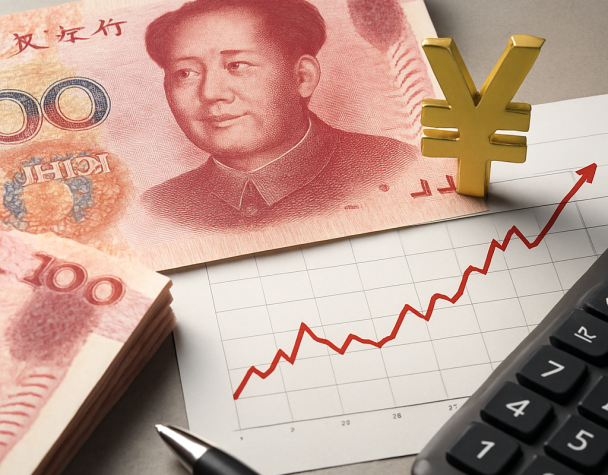
Recent Developments in the Chinese Yuan Exchange Rate
Tue, July 07, 2026Recent Developments in the Chinese Yuan Exchange Rate
As of July 7, 2026, the Chinese yuan (CNY) has experienced notable fluctuations against major global currencies. The current exchange rate stands at 1 USD to 6.7972 CNY, reflecting recent market dynamics.
Exchange Rate Trends Over the Past Week
Over the past week, the yuan has exhibited mixed performance against the G10 currencies. Specifically, it has appreciated by 1.53% against the Norwegian krone (NOK) and 0.62% against the Japanese yen (JPY). Conversely, it has depreciated by 0.36% against the British pound (GBP) and 0.23% against the New Zealand dollar (NZD). These movements highlight the yuan’s varied performance in the global currency market.
Factors Influencing the Yuan’s Performance
Several factors have contributed to the recent movements in the yuan’s exchange rate:
- Trade Surplus: China’s substantial trade surplus has bolstered the yuan’s strength. In the first 11 months of 2025, China recorded a trade surplus of approximately USD 1 trillion, providing significant support to the currency.
- Corporate Foreign-Exchange Conversions: An increase in corporate foreign-exchange conversions has influenced the demand and supply dynamics of the yuan, impacting its valuation.
- US Dollar Weakness: A broad weakening of the US dollar has contributed to the yuan’s appreciation, as currency values are often interlinked.
Central Bank Policies and Market Expectations
The People’s Bank of China (PBOC) continues to implement a managed floating exchange rate system. This approach involves setting a daily reference rate and allowing the yuan to fluctuate within a specified band. The PBOC’s policies play a crucial role in maintaining currency stability and responding to global economic conditions.
Market expectations for further yuan appreciation have been increasing, influenced by China’s economic performance and global currency trends. Investors and analysts are closely monitoring the PBOC’s policy decisions and their potential impact on the yuan’s trajectory.
Conclusion
The Chinese yuan’s recent performance reflects a complex interplay of trade balances, corporate activities, and global currency movements. As the PBOC continues to manage the yuan’s exchange rate, stakeholders should remain attentive to policy shifts and economic indicators that may influence future currency valuations.