
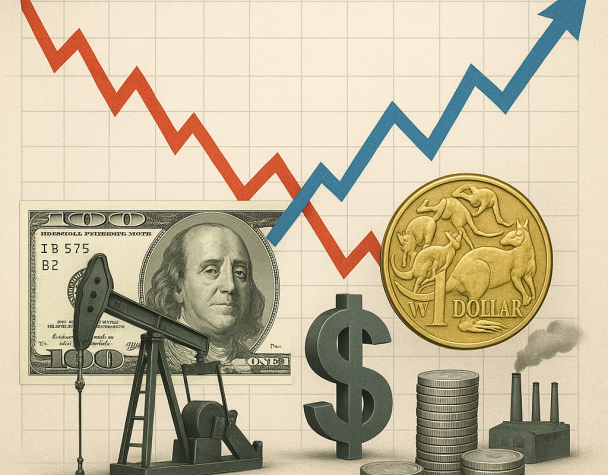
Fluctuations in the USD/AUD Exchange Rate: Key Economic Drivers at Play
Sun, July 19, 2026USD/AUD Exchange Rate: Recent Trends and Influencing Factors
In the past week, the USD/AUD exchange rate has exhibited notable fluctuations, reflecting a dynamic interplay of economic indicators and market sentiments. As of July 19, 2026, the exchange rate stands at 1 USD to 1.4322 AUD, marking a 0.22% increase from the previous close. This movement underscores the currency pair’s sensitivity to recent economic developments.
Recent Exchange Rate Movements
Over the last seven days, the USD/AUD exchange rate has experienced a range between 1.4281 and 1.4356. Notably, on July 14, 2026, the rate reached a high of 1.4469, before declining to 1.4337 by the day’s end, representing a 0.82% decrease. This volatility highlights the market’s responsiveness to both domestic and international economic events.
Key Influencing Factors
Several factors have contributed to the recent movements in the USD/AUD exchange rate:
1. Economic Data Releases
Economic indicators from both the United States and Australia have played a significant role. For instance, stronger-than-expected employment figures in the U.S. have bolstered the USD, while Australia’s trade balance data has influenced the AUD’s performance.
2. Commodity Prices
Australia’s economy is heavily reliant on commodity exports. Fluctuations in global commodity prices, particularly iron ore and coal, have a direct impact on the AUD. Recent declines in these commodity prices have exerted downward pressure on the Australian dollar.
3. Monetary Policy Expectations
Anticipations regarding interest rate decisions by the Federal Reserve and the Reserve Bank of Australia have also influenced the exchange rate. Speculations about potential rate hikes in the U.S. have strengthened the USD, while the RBA’s dovish stance has weighed on the AUD.
Conclusion
The USD/AUD exchange rate’s recent fluctuations are a testament to the complex interplay of economic data, commodity prices, and monetary policy expectations. Traders and investors should remain vigilant, as ongoing developments in these areas are likely to continue influencing the currency pair’s performance in the near future.