
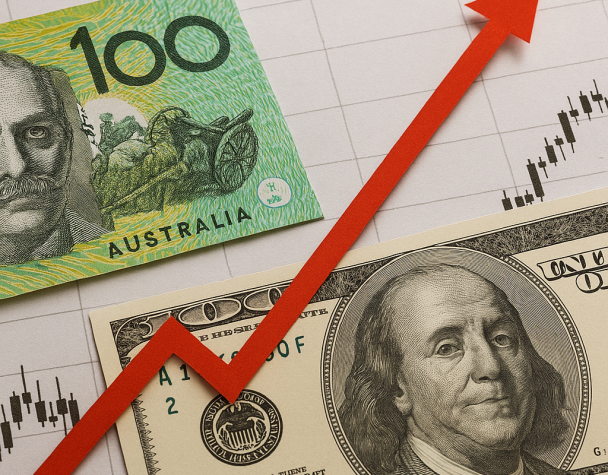
AUD/USD Pushes Toward 0.7210 as July Inflation Stays Elevated and Fed Signals Hawkish Tilt
Thu, October 15, 2026The Australian dollar (AUD) extended its recent gains against the US dollar (USD), reaching fresh highs near the 0.7210 level as July inflation surprised on the upside and policymakers in both Australia and the United States adopted hawkish tones.
Inflation Surprise in Australia Fuels Hawkish RBA Expectations
July consumer price index (CPI) data showed headline inflation rose 1.0% month-on-month, while the Reserve Bank of Australia’s preferred trimmed mean measure climbed 0.5%. Both figures exceeded market expectations, triggering a repricing in interest rate expectations and underpinning the AUD’s advance to multi-month highs around 0.7208 against the USD. Markets interpreted the numbers as supportive of further RBA tightening if upside inflation pressures persist.
The week’s rally was further backed by hawkish signals from RBA officials, reinforcing the case for policy caution and sustaining AUD strength through the period.
Fed Speaks, USD Rebounds—AUD/USD Retrenchment
Just as AUD/USD was gaining momentum, Fed Chair Kevin Warsh delivered a hawkish speech at the Jackson Hole symposium, reaffirming the Federal Reserve’s commitment to its 2% inflation target. His commentary prompted a rebound in US rate-hike expectations, lifting the USD and pulling AUD/USD back to about 0.7156 by week’s end. Despite this retracement, the Aussie remained the sole G10 currency to register weekly gains against the greenback.
Summary of Recent Moves
- AUD/USD climbed to around 0.7208, a fresh multi-week high.
- The pair then slipped back toward 0.7156 following hawkish Fed messaging.
- For the week, AUD still ended ahead among major currencies versus the USD.
Why This Matters for Traders
The interplay between domestic inflation in Australia and evolving Fed expectations illustrates the tightrope AUD/USD is walking. The Australian dollar gains support when domestic data suggests inflation remains sticky, while US policy hawkishness can quickly reverse that strength. The week ahead will test this dynamic, with key economic data and central bank communications due from both countries.
Outlook
Traders should watch for further RBA commentary or minutes, as well as upcoming inflation and jobs data in both Australia and the US. Any signs of persistent inflation or rate-hike intention from the RBA could sustain AUD gains. Conversely, renewed Fed tightenings cues might weigh on the pair.
As of October 15, 2026, AUD/USD stands at 0.6965. Continued monitoring of macro signals and central bank guidance remains critical for assessing the currency’s next moves.
Sources: stronger-than-expected July inflation data driving RBA rate expectations; AUD/USD reaching 0.7208 before Fed-driven pullback to 0.7156; Fed Chair Warsh’s Jackson Hole remarks boosting USD.