
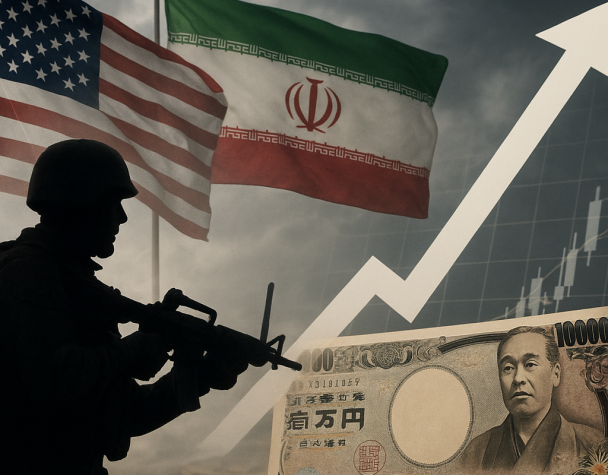
US-Iran Tensions Escalate, Impacting Global Markets; Japanese Yen Strengthens Amid Policy Shifts
Sun, July 12, 2026US-Iran Tensions Escalate, Impacting Global Markets
On July 12, 2026, the United States launched its third round of airstrikes against Iran within a week, targeting Iranian military infrastructure. This action followed Iran’s declaration of the indefinite closure of the Strait of Hormuz, a critical chokepoint through which approximately 20% of the world’s oil passes. The closure has raised significant concerns about global oil supply disruptions and heightened geopolitical risks.
In response to these developments, global financial markets exhibited notable volatility. The US dollar, traditionally viewed as a safe-haven currency during periods of geopolitical uncertainty, experienced a modest appreciation. Conversely, currencies of oil-importing nations faced downward pressure due to fears of rising energy costs.
Commodity markets also reacted sharply. Gold prices, which had previously rallied on a weak US jobs report, reversed gains and fell by 1.6% to approximately $4,110 per ounce. Silver experienced a more pronounced decline, dropping 4.3% to $59.70 per ounce. These movements underscore the complex interplay between economic indicators and geopolitical events in shaping market sentiment.
Japanese Yen Strengthens Amid Policy Shifts
In a separate development, the Japanese yen exhibited strength against major currencies, influenced by recent policy shifts and market dynamics. The Osaka Exchange rubber contract for December delivery declined by 0.5% to 419.8 yen per kilogram, retreating from a two-week high. This movement was attributed to the European Union’s imposition of anti-dumping duties on Chinese tire imports and a notable appreciation of the yen.
The yen’s appreciation is significant, as it reflects investor confidence in Japan’s economic policies and its status as a safe-haven currency. This trend may have broader implications for Japan’s export-driven economy, potentially affecting trade balances and corporate earnings.
Conclusion
The escalation of US-Iran tensions and the closure of the Strait of Hormuz have introduced new uncertainties into global markets, influencing currency valuations and commodity prices. Concurrently, the Japanese yen’s strengthening highlights the impact of policy decisions and market perceptions on currency movements. Investors and policymakers will need to navigate these complex dynamics carefully, balancing geopolitical developments with economic indicators to make informed decisions in an increasingly volatile environment.