
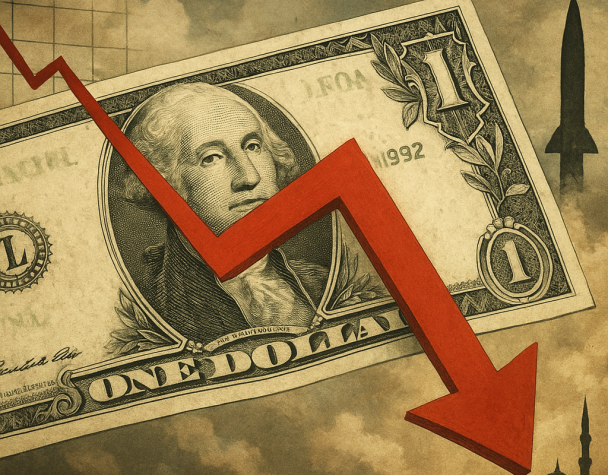
US Dollar Weakens Amid Soft Inflation Data and Geopolitical Tensions
Wed, July 15, 2026US Dollar Weakens Amid Soft Inflation Data and Geopolitical Tensions
Recent developments have led to a notable decline in the US Dollar Index (DXY), which tracks the currency against six major peers. The index fell 0.5% toward 100.40, influenced by softer-than-expected US inflation data and escalating geopolitical tensions in the Middle East.
Impact of US Inflation Data
The US Consumer Price Index (CPI) for June showed a year-on-year increase of 3.5%, down from 4.2% in the previous month. This deceleration eases pressure on the Federal Reserve to raise interest rates, leading to a repricing of rate expectations and contributing to the dollar’s weakness. The core CPI, which excludes volatile food and energy prices, rose 0.2% month-on-month and 4.7% year-on-year, also below forecasts. These figures suggest a cooling inflationary environment, reducing the urgency for immediate rate hikes.
Geopolitical Tensions in the Middle East
Simultaneously, renewed US strikes on Iran have heightened geopolitical tensions, impacting global markets. The US dollar’s performance has been influenced by these developments, as investors weigh the potential economic implications of the escalating situation. The dollar’s response to geopolitical events underscores its sensitivity to global risk sentiment.
Currency Market Reactions
In response to the dollar’s decline, major currencies have strengthened. The euro held at $1.1418, and the British pound traded at $1.3399. The Japanese yen remained steady at 162.34 yen per dollar. These movements reflect investor sentiment and the broader market’s reaction to the interplay between economic data and geopolitical events.
Outlook
Looking ahead, market participants will closely monitor upcoming US economic data and Federal Reserve communications to gauge the trajectory of US monetary policy. Additionally, developments in the Middle East will continue to influence global risk sentiment and currency valuations. Traders should remain vigilant, balancing economic indicators with geopolitical developments to inform their investment strategies.
Indian Rupee Holds Steady Amid Mixed Influences
The Indian rupee closed at 96.2550 per dollar on July 15, 2026, remaining nearly unchanged from the previous session. The currency’s stability was influenced by a combination of modest portfolio inflows and increased dollar demand from local corporates. Traders also kept a close watch on oil prices, which have been a significant factor affecting the rupee’s performance.
Influence of Oil Prices
Oil prices have been a critical factor for the Indian rupee, as the country is a major importer of crude oil. Fluctuations in oil prices can impact the rupee’s value due to changes in the trade balance and inflationary pressures. The rupee’s performance is closely tied to global oil market dynamics, making it sensitive to price movements in this sector.
Market Dynamics
Despite the rupee’s stability, the currency market remains vigilant, monitoring both domestic and international factors that could influence the rupee’s trajectory. Traders are particularly attentive to developments in the oil market and any policy changes that may affect the currency’s performance.
Conclusion
The Indian rupee’s steady performance reflects a balance between domestic economic factors and global market influences. As the currency market continues to evolve, stakeholders should stay informed about key economic indicators and geopolitical events that may impact currency valuations.