
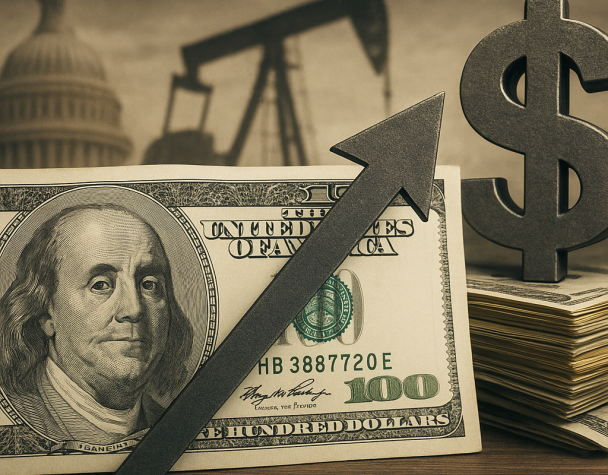
US Dollar Strengthens Amid Resilient Labor Data and Middle East Tensions
Fri, July 17, 2026US Dollar Strengthens Amid Resilient Labor Data and Middle East Tensions
The US dollar exhibited notable strength on Thursday, July 16, 2026, bolstered by robust labor market data and escalating geopolitical tensions in the Middle East. This combination of economic resilience and international uncertainty has reinforced the greenback’s position as a safe-haven currency.
Resilient US Labor Market Data
Recent economic indicators have underscored the robustness of the US labor market. Initial jobless claims for the week ending July 11 fell to 208,000, surpassing expectations of 217,000 and marking a decrease from the previous week’s 216,000. This decline suggests continued stability in employment, providing a solid foundation for consumer spending and overall economic growth.
Additionally, the Philadelphia Fed Manufacturing Index for July surged to 41.4, significantly exceeding the forecast of 11.0 and the prior reading of 10.3. This sharp increase indicates a strong expansion in manufacturing activity, further contributing to the positive economic outlook.
Escalating US-Iran Tensions
Concurrently, geopolitical tensions have intensified, particularly between the United States and Iran. The US has conducted a series of strikes against Iranian targets over the past week, leading to heightened concerns about potential disruptions in global oil supply. Such developments have historically prompted investors to seek refuge in the US dollar, reinforcing its status as a safe-haven asset.
Impact on the Forex Market
The interplay of strong economic data and geopolitical unrest has had a pronounced effect on the foreign exchange market. The US Dollar Index (DXY), which measures the dollar’s value against a basket of major currencies, rose approximately 0.3% to around 100.80. This upward movement reflects the currency’s strengthened position amid current global uncertainties.
In contrast, other major currencies have experienced relative weakness. The British pound, for instance, declined by about 0.5% against the dollar, while the euro and the Swiss franc also registered modest losses. These movements underscore the dollar’s appeal during periods of economic and geopolitical volatility.
Conclusion
The US dollar’s recent appreciation is a testament to the resilience of the American economy and the currency’s role as a global safe haven. As the labor market continues to demonstrate strength and geopolitical tensions persist, the dollar is likely to maintain its robust position in the forex market. Investors should remain vigilant, as ongoing developments in both economic indicators and international relations will continue to influence currency dynamics.