
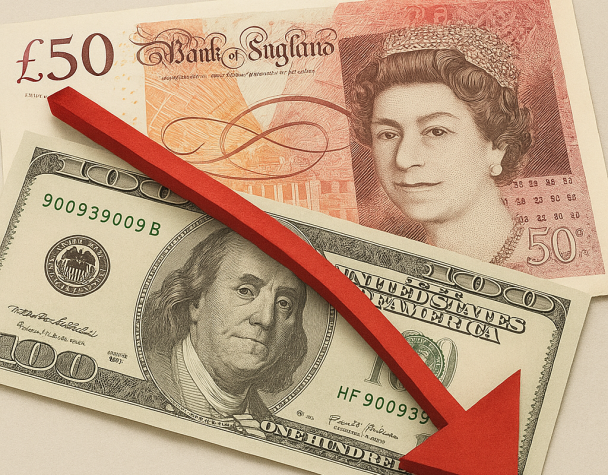
US Dollar Declines as Inflation Eases; British Pound Strengthens Amid Political Stability
Thu, July 16, 2026US Dollar Declines as Inflation Eases; British Pound Strengthens Amid Political Stability
July 15, 2026—The US dollar experienced a notable decline following the release of softer-than-expected inflation data, while the British pound gained strength, buoyed by easing political uncertainties and robust economic indicators.
US Inflation Slows, Impacting Dollar Value
The latest Consumer Price Index (CPI) report revealed that US inflation fell to 3.5% in July, down from the previous month’s 4.2%. This decline suggests a potential shift in the Federal Reserve’s monetary policy stance, leading to a depreciation of the US dollar. The US Dollar Index (DXY) dropped by 0.5%, reaching approximately 100.40. This movement reflects market expectations that the Federal Reserve may adopt a more dovish approach in response to easing inflationary pressures.
British Pound Gains Amid Political Stability
In contrast, the British pound remained steady against the US dollar and held near its strongest level in over a year versus the euro. This stability is attributed to expectations for higher interest rates, easing domestic political uncertainty, resilient economic growth, and record inbound takeover activity for British companies. Investors are also optimistic about the potential for Britain to forge closer ties with the European Union ahead of an upcoming summit.
Market Reactions and Future Outlook
The combination of easing US inflation and a stable British political landscape has led to a recalibration of market expectations. Investors are closely monitoring upcoming economic data releases and central bank communications to gauge future currency movements. The interplay between inflation trends and political developments will likely continue to influence the forex market dynamics in the near term.
As the global economic landscape evolves, market participants remain vigilant, adapting their strategies to navigate the complexities of currency fluctuations influenced by economic indicators and geopolitical events.