
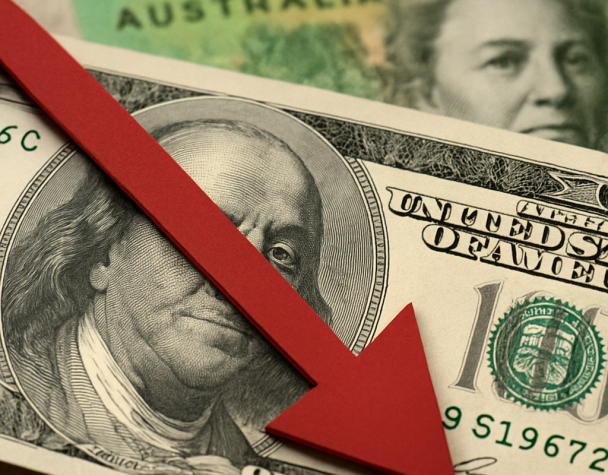
Midterm Relief Weighs on Dollar as RBA Hike Leaves Aussie Behind
Sun, November 08, 2026The U.S. dollar weakened against major peers after Democrats’ sweeping victory in the November 3 midterm elections reduced a significant source of political uncertainty and supported a broader rally in global equities.
Reuters reported on Thursday, November 5, that the dollar index fell 0.06% to 101.41 after declining 0.36% in the previous session. The euro rose 0.12% to $1.1241, while the yen strengthened 0.08% to 158.25 per dollar. Sterling also extended its advance, rising 0.38% to $1.3462 and moving toward its sixth consecutive daily gain.
Lower Treasury yields were cited as an additional factor weighing on the greenback. However, the dollar’s retreat remained measured as U.S. economic data continued to show resilience. The ADP National Employment Report indicated that private payrolls increased by 86,000 in October, above the 69,000 increase expected by economists surveyed by Reuters.
Markets reassess the dollar’s political and rate outlook
The election result helped lift risk appetite, but it did not fundamentally alter expectations for Federal Reserve policy. Investors continued to focus on incoming labor-market data and the outlook for U.S. interest rates, leaving the dollar vulnerable to further moves in Treasury yields and economic releases.
The yen’s modest gain also came as traders monitored signals from the Bank of Japan. Minutes from the central bank’s September meeting, when policymakers raised rates to 1.25%, indicated that at least one board member saw scope for faster tightening, reinforcing expectations that Japanese policy could become less accommodative.
Australian dollar dips after expected RBA increase
In a separate regional development, the Australian dollar weakened after the Reserve Bank of Australia raised its official cash rate by 25 basis points to 4.85% on November 3. The increase was widely expected, limiting its immediate boost to the currency.
Reuters reported that the move took the Australian policy rate to its highest level since December 2008. The currency’s reaction illustrated how a rate increase can be largely priced into foreign-exchange markets before the decision is announced, particularly when investors are looking for guidance on future policy rather than the current move alone.
The Australian dollar was last reported near $0.701 against the U.S. dollar during the week. Its performance remained sensitive to changes in global risk sentiment, U.S. yields and expectations for further action from the RBA.
For currency investors, the contrasting moves underline the importance of separating actual central-bank decisions from their market impact. The dollar’s decline reflected changing political and bond-market conditions, while the Australian dollar struggled to gain traction even after another increase in borrowing costs.