
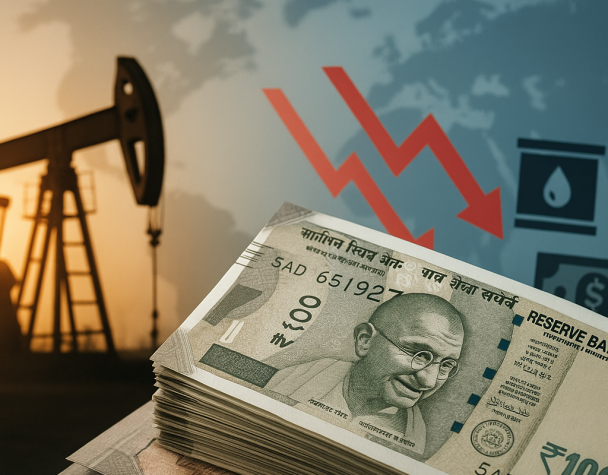
Middle East Tensions and Oil Prices Influence Global Currency Markets; Indian Rupee Faces Pressure Amid Crude Surge
Tue, July 21, 2026Middle East Tensions and Oil Prices Influence Global Currency Markets
On July 21, 2026, the global currency markets experienced notable fluctuations as escalating tensions in the Middle East and rising crude oil prices impacted investor sentiment. The U.S. dollar hovered near a one-week high, reflecting the market’s response to these geopolitical developments.
Geopolitical Tensions and the U.S. Dollar
The U.S. dollar index, which measures the currency against a basket of six peers, remained steady at 100.96, close to its highest level since July 15. This stability was influenced by conflicting signals from the Middle East. Hostilities in the region raised concerns over energy supplies, while simultaneous hopes for a ceasefire provided some relief. Against the yen, the dollar was largely flat at 162.50 yen, and the euro was little changed at $1.1415. The British pound held firm at $1.3434 after Britain’s new Prime Minister Andy Burnham vowed to adhere to fiscal rules.
Impact on Oil Prices
Oil prices saw significant volatility, swinging to near six-week highs before retreating. Yemen’s Iran-aligned Houthis declared a naval blockade on Saudi Arabia, heightening threats to global energy supplies. However, hopes for de-escalation emerged after Tehran received a 10-day ceasefire proposal from mediators. These developments kept markets on edge, balancing between fears of supply disruptions and optimism for diplomatic resolutions.
Indian Rupee Faces Pressure Amid Crude Surge
In the Indian currency market, the rupee faced downward pressure due to the surge in crude oil prices. Despite interventions by the Reserve Bank of India (RBI), the rupee fell to a two-month low against the U.S. dollar.
Rupee’s Performance
The Indian rupee opened marginally higher at 96.41 per U.S. dollar, compared to the previous close of 96.45. However, persistent dollar buying by oil marketing companies continued to weigh on the domestic currency. The RBI reportedly intervened by selling dollars at higher levels to keep the rupee relatively stable and support ongoing Foreign Currency Non-Resident (FCNR) deposit inflows.
Market Outlook
Traders are closely monitoring the scale of inflows that India’s capital flow measures would attract over time to bolster the country’s foreign exchange reserves, which are used to defend the rupee. The market anticipates continued volatility influenced by oil price movements and the strength of the U.S. dollar.
Conclusion
The interplay between geopolitical tensions in the Middle East and fluctuations in oil prices continues to have a significant impact on global currency markets. While the U.S. dollar remains relatively stable amid these developments, currencies like the Indian rupee are experiencing pressure due to rising crude prices. Market participants are advised to stay vigilant and monitor ongoing geopolitical events and their potential economic implications.