
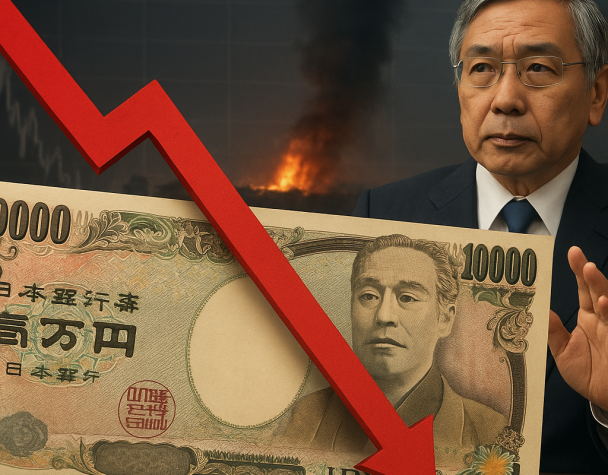
Japanese Yen Hits 40-Year Low Amid Middle East Tensions; Finance Minister Signals Possible Intervention
Wed, July 29, 2026Japanese Yen Hits 40-Year Low Amid Middle East Tensions; Finance Minister Signals Possible Intervention
The Japanese yen has depreciated to levels not seen in four decades, surpassing 163 yen per U.S. dollar. This decline is largely attributed to escalating tensions in the Middle East, particularly the deteriorating situation between the United States and Iran, which has led to a surge in oil prices. In response, Japan’s Finance Minister, Satsuki Katayama, has indicated readiness to take bold action to stabilize the currency if necessary.
Impact of Middle East Tensions on the Yen
The yen’s depreciation is closely linked to the recent escalation in the U.S.-Iran conflict. As tensions have intensified, global oil prices have risen sharply, adversely affecting economies heavily reliant on energy imports, such as Japan. The increased cost of oil imports has placed additional pressure on the yen, contributing to its significant decline.
Finance Minister’s Statement
Addressing the currency’s downturn, Finance Minister Satsuki Katayama stated, “The situation involving the US and Iran has taken a sudden turn for the worse—a deterioration that the world did not foresee—creating a very difficult environment.” She emphasized that Japanese financial authorities are prepared to take “appropriate and bold action at any time, should the need arise.” Despite this assertion, the yen continued its downward trajectory, indicating that market participants may be skeptical about the immediacy or effectiveness of potential interventions.
Historical Context and Market Reactions
The yen’s current position marks its weakest level since 1986. Historically, such significant depreciations have prompted interventions by Japanese authorities to stabilize the currency. However, the effectiveness of such measures can vary, and the market’s response to the Finance Minister’s comments suggests a cautious outlook.
Potential Implications
A prolonged weakness in the yen could have several implications for Japan’s economy. While a weaker yen can benefit exporters by making Japanese goods more competitive abroad, it also increases the cost of imports, particularly energy resources, which could lead to higher domestic prices and impact consumer spending. Additionally, if the yen’s decline continues unchecked, it may prompt more aggressive intervention measures from the government, potentially leading to increased volatility in the forex market.
Conclusion
The Japanese yen’s slide to a 40-year low underscores the profound impact that geopolitical tensions can have on currency markets. As the situation between the U.S. and Iran evolves, and with oil prices remaining volatile, the yen’s trajectory will likely continue to be a focal point for investors and policymakers alike. The Finance Minister’s indication of possible intervention adds another layer of complexity, leaving market participants to closely monitor both geopolitical developments and potential policy responses in the coming days.