
Escalating Middle East Tensions Propel US Dollar Amid Global Currency Fluctuations
Wed, July 08, 2026Escalating Middle East Tensions Propel US Dollar Amid Global Currency Fluctuations
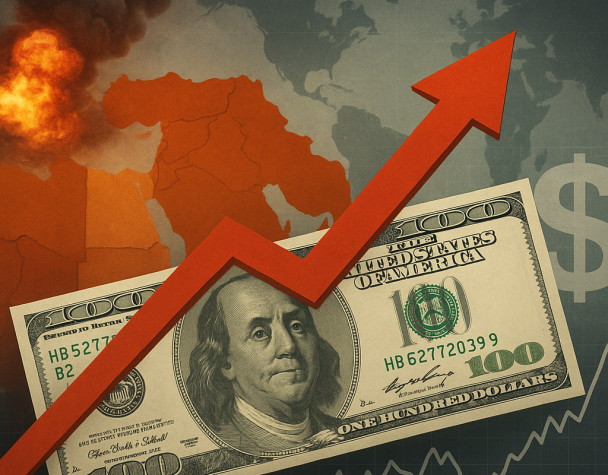
On July 7, 2026, the US dollar experienced a notable uptick as escalating geopolitical tensions in the Middle East heightened demand for safe-haven assets. A recent attack on a Qatari LNG ship in the Strait of Hormuz has intensified concerns over regional stability, prompting investors to seek refuge in the dollar.
Geopolitical Unrest and Market Reactions
The Strait of Hormuz, a critical chokepoint for global oil shipments, has once again become a focal point of geopolitical unrest. The attack on the Qatari vessel has raised alarms about potential disruptions in energy supplies, leading to increased volatility in financial markets. In response, the US dollar has strengthened, reflecting its status as a preferred safe-haven currency during periods of uncertainty.
Impact on Major Currency Pairs
The dollar’s appreciation has had a ripple effect across major currency pairs. The EUR/USD pair slipped toward 1.1420 as the initial post-payrolls bounce faded, influenced by the dollar’s renewed strength. Similarly, the USD/JPY pair retreated below 162.00 amid intervention risks and the dollar’s defensive stance.
Broader Market Implications
The escalation in Middle East tensions has not only bolstered the US dollar but also impacted other financial instruments. Gold prices declined as reviving inflation fears outweighed receding Federal Reserve rate hike bets, indicating a complex interplay between geopolitical events and monetary policy expectations.
Conclusion
The recent attack in the Strait of Hormuz underscores the fragile nature of geopolitical stability and its profound impact on global financial markets. As investors navigate these turbulent times, the US dollar’s role as a safe-haven currency remains prominent. Market participants will continue to monitor developments closely, assessing potential risks and adjusting their strategies accordingly.