
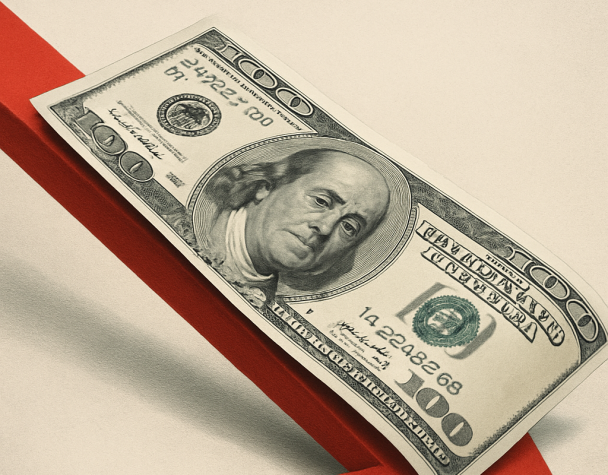
Dollar Slides on
Thu, November 05, 2026The U.S. dollar weakened sharply following the U.S. midterm elections as investors digested the surprise Democratic sweep in both the Senate and the House, raising the prospect of increased regulatory scrutiny, especially around the AI sector. The euro rose toward its two-week high around $1.1251–$1.1262, while sterling climbed toward seven-week highs near $1.3495. The U.S. Dollar Index slipped to around 101.4–101.5, reflecting its weakest level in about a month.
The move was underpinned by growing concerns that a divided U.S. government will slow AI-driven economic growth, previously a key tailwind for the dollar. As such, investors showed a clear preference for other major currencies, pushing both the euro and pound steadily higher.
Yen and Swiss Franc Strengthen on Cautious Sentiment
The yen and Swiss franc also gained ground against the dollar, although more modestly. USD/JPY declined marginally to around 158.4, with the dollar posting its strongest performance against the yen compared to other majors. USD/CHF slid as well, reflecting the franc’s safe-haven appeal in uncertain policy conditions.
GBP/JPY Rises Modestly Amid Regional Conditions
Meanwhile, the British pound gained against the Japanese yen, with GBP/JPY rising approximately 0.2% on the day, reflecting modest strength in the UK currency tied to broader dollar softness and regional market dynamics. While this move is not dramatic, it signals continued sensitivity in cross-currency trading.
Why It Matters
These developments highlight how U.S. domestic politics can ripple through global foreign-exchange markets. The weakening dollar may alter investor strategies across currencies—and potentially, central-bank expectations. FX markets will be watching closely as upcoming U.S. economic data unfolds amid the new congressional landscape.
At the same time, the modest rise in GBP/JPY underscores that beyond the headline U.S. dollar moves, regional currency relationships remain sensitive to cross-border factors and shifting risk sentiment.