
Dollar Retreats Ghana Cedi Strengthens After Talks
Sun, June 14, 2026Dollar Retreats Ghana Cedi Strengthens After Talks
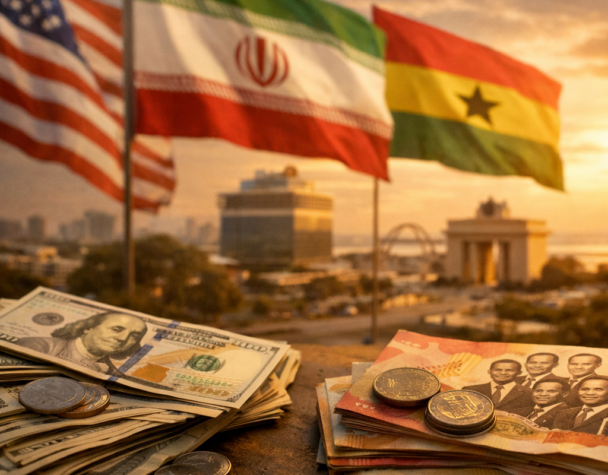
Over the past 24 hours the foreign-exchange landscape has been shaped by two clear developments: a broad pullback in the U.S. dollar driven by easing geopolitical tensions, and a targeted improvement in the Ghanaian cedi following central-bank actions to boost FX liquidity. Both moves carry practical implications for traders and corporates — the dollar shift alters flows across major pairs, while the cedi’s improvement affects regional trade and local currency exposure.
Why the U.S. dollar is weakening
Iran talks curb safe-haven demand
Renewed optimism around diplomatic engagement involving Iran has reduced near-term geopolitical risk premia. That decline in perceived tail risk removed some of the upward pressure on the U.S. dollar, which had benefited as a safe-haven destination. With traders unwinding protective USD positions, risk-sensitive currencies and commodity-linked crosses found relief.
Monetary-policy calendars still matter
Even as geopolitics eased, FX markets remain attentive to upcoming central-bank decisions. The timing and tone from the Federal Reserve, the European Central Bank and the Bank of Japan will influence whether the dollar’s slide continues or reverses. In short, the dollar’s recent softness reflects tactical repositioning by market participants ahead of key policy signals rather than a completed trend shift.
Ghana cedi: local liquidity eases pressure
Bank of Ghana interventions restore FX access
At a country level, Ghana’s cedi has shown signs of strengthening after the Bank of Ghana stepped up foreign-exchange interventions to alleviate chronic corporate dollar demand. Recent FX operations improved interbank liquidity — notably, a recent auction reportedly filled less than half of the offered amount, suggesting a tangible reduction in immediate demand pressure on the cedi.
Practical impact for businesses and traders
For firms with payable liabilities in dollars and traders with Ghana exposure, the improved liquidity environment reduces short-term hedging costs and the risk of abrupt cedi depreciations. However, the durability of the cedi’s rebound depends on continued central-bank support, commodity receipts (notably cocoa and gold) and broader portfolio flows into the region.
What this means for FX positions
The U.S. dollar’s retreat can create short-term trading opportunities across major pairs: EUR/USD and AUD/USD may benefit from reduced USD demand if risk sentiment continues to normalize. Conversely, crosses that traditionally track safe-haven flows — such as USD/JPY — could experience volatility if geopolitical sentiment reverses.
For emerging-market and Africa-focused players, Ghana’s development is a reminder that local central-bank action can materially change FX dynamics. Tactical positions in the cedi should account for potential re-tightening of dollar demand or a reversal in liquidity operations.
Conclusion
In the last 24 hours, two distinct but concrete FX moves were visible: a dollar pullback tied to reduced geopolitical risk and a strengthened Ghanaian cedi driven by improved FX supply from the central bank. Market participants should monitor central-bank communications and on-the-ground liquidity indicators to assess whether these shifts are transient adjustments or the start of more persistent trends.