
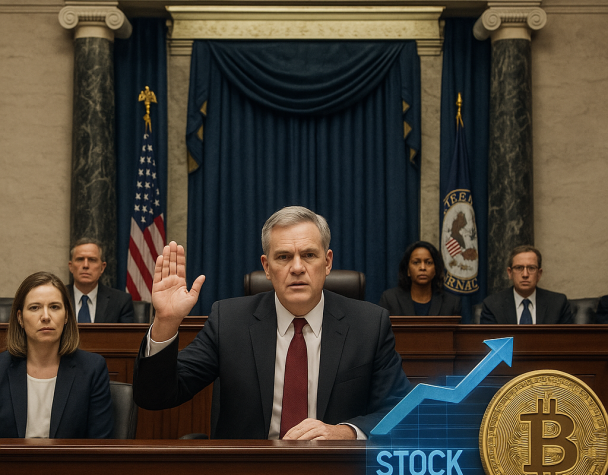
U.S. Senate Rejects Crypto Clarity Act as SEC Enables Tokenized Stock Trading
Sun, September 20, 2026The U.S. Senate blocked the Crypto Clarity Act this week, halting a key crypto regulatory reform effort, while the SEC issued ground‑breaking exemptions to allow blockchain-based tokenized stock trading.
Senate Blocks Crypto Clarity Act
In a closely divided vote, the U.S. Senate failed to advance the Crypto Clarity Act, an industry-backed bill intended to establish a clearer regulatory framework for digital assets. This pivotal vote took place earlier this week and came amid strong lobbying from crypto stakeholders seeking greater legal clarity around how digital assets can be issued, traded, and sold to investors. Following the vote, Bitcoin fell roughly 1.3% to below $76,000, reflecting investor disappointment over the stalled legislation. According to media reports, disagreements over ethics provisions, including new constraints on officials’ crypto holdings, played a key role in blocking the bill.
SEC Approves Tokenized Stock Trading Exemptions
Meanwhile, the U.S. Securities and Exchange Commission issued two conditional five‑year exemptions to existing securities laws, effectively clearing the path for tokenized U.S. stocks to be traded on blockchain-based platforms. The move marks a significant regulatory milestone, signaling a shift toward integrating traditional equities markets with distributed ledger technology. Under the new framework, tokenized shares will be allowed to trade on blockchain-style venues that meet the SEC’s regulatory requirements.
Why These Developments Matter
The Senate’s rejection of the Clarity Act prolongs the legal ambiguity surrounding crypto regulation in the U.S. Without such a unified framework, digital asset issuers and exchanges continue to face uncertainty over whether existing financial regulations apply to their operations — raising risks for both providers and investors.
On the other hand, the SEC’s tokenization exemptions represent a forward-looking development, offering a regulated pathway for digital innovation in capital markets. Tokenized equity trading could open new efficiency gains, transparency improvements, and broader investor access — especially for fractional ownership and 24/7 trading — but will require market participants to comply with the SEC’s conditional rules.
Looking Ahead
With the Clarity Act paused, crypto stakeholders will need to await either a rescheduled vote or alternative regulatory proposals. Watch for potential revisions addressing the ethics objections or renewed bipartisan negotiations in the Senate.
Meanwhile, the impact of the SEC’s exemptions will be closely monitored. Industry participants now aim to develop compliant platforms and offerings to enable tokenized stock trading, provided they can meet the new regulatory conditions.
These contrasting developments reflect the current state of U.S. crypto policy: one path stalled by political gridlock, the other advancing via regulatory innovation.