
Dollar Weakness Boosts Crypto; RBI Calms Rupee Now!
Tue, May 26, 2026Introduction
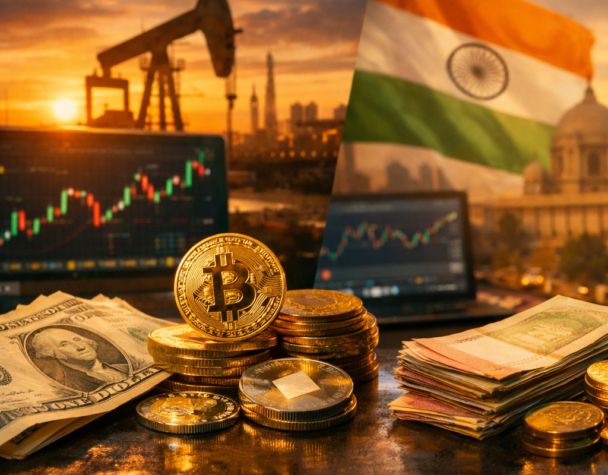
Over the last 24 hours two distinct forex developments have rippled into the crypto sphere. First, easing tensions in U.S.–Iran talks and a consequent drop in oil pushed the U.S. dollar lower, encouraging risk appetite and supporting digital assets. Second, the Reserve Bank of India’s $5 billion dollar–rupee swap auction intervened to steady the rupee, a targeted move that affects fiat on-ramps and user costs for India’s crypto exchanges. Both stories highlight how FX moves—whether driven by geopolitics or central-bank operations—translate quickly into crypto flows.
Dollar Downshift Spurs Broad Crypto Interest
What happened
Fresh diplomatic momentum in U.S.–Iran talks reduced near-term oil supply fears, which pushed crude prices lower and eased inflation pressure expectations. In response, the U.S. dollar weakened against major currencies, with traders shifting from safe-haven positions toward risk assets. That risk-on tilt has historically correlated with stronger demand for cryptocurrencies as investors reallocate from cash and bonds into higher-beta assets.
Why crypto felt it
A softer dollar has three direct effects for crypto flows:
- Improved purchasing power for non-dollar buyers — when the dollar eases, many non-dollar currencies gain relative strength, making crypto cheaper in local terms and encouraging retail participation.
- Lower perceived macro risk — easing inflation expectations can reduce the need for ultra-conservative allocations, freeing capital for risk assets including Bitcoin and altcoins.
- Cross-asset correlation — equities and other risk instruments often rally alongside crypto in a risk-on environment, creating positive feedback loops in sentiment-driven markets.
Think of the dollar as the tide and crypto as small boats: when the tide falls, more boats can move into riskier waters without grounding—liquidity and confidence rise together.
RBI Intervention: A Narrow but Tangible Crypto Impact
What the RBI did
The Reserve Bank of India announced a $5 billion dollar–rupee swap auction to inject dollar liquidity and support the rupee after bouts of weakness. The operation helped the rupee recover modestly from around ₹96.8 to roughly ₹96.3–₹96.4, though month-end dollar demand and oil price moves continued to exert pressure.
Why this matters for Indian crypto users
India’s crypto exchanges and users are sensitive to rupee–USD swings because deposit/withdrawal rails, paired liquidity, and local pricing all depend on that exchange rate. The RBI’s action has several immediate effects:
- Reduced friction for fiat flows — stabilizing the rupee lowers short-term deposit/withdrawal volatility on exchanges, improving user experience.
- Impact on local purchasing power — a firmer rupee reduces the rupee-denominated cost of dollar-priced tokens, potentially nudging retail demand.
- Operational certainty — ongoing commitments from the central bank to smooth currency moves can reduce abrupt liquidity squeezes for platforms that manage fiat inventory.
Practical Takeaways for Traders and Investors
- Monitor the dollar index and oil prices: shifts here often presage broader risk-on or risk-off moves that affect crypto flows.
- Watch central-bank FX operations in key emerging markets: targeted interventions (like the RBI’s swap auction) can change local demand dynamics even if global sentiment stays steady.
- Adjust position sizing around macro-news windows: geopolitical developments and month-end liquidity can amplify volatility in crypto pairs, especially in fiat-heavy regional markets.
Conclusion
In the last 24 hours a weaker dollar driven by diplomatic progress and lower oil revived risk appetite and provided a boost to crypto sentiment broadly. Complementing that, India’s targeted RBI intervention to support the rupee altered the cost and convenience of crypto access for Indian users. Together these moves underline a simple truth: macro forex shifts—whether sweeping or narrowly focused—remain a fast channel into and out of crypto capital flows.