
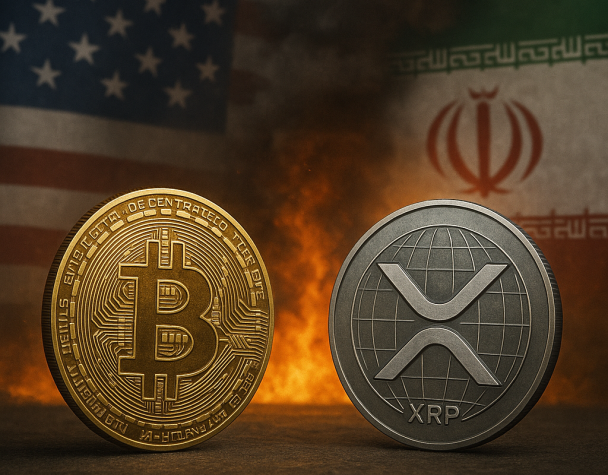
Bitcoin Holds Steady Amid U.S.-Iran Tensions; XRP Faces Regulatory Challenges
Mon, July 20, 2026Bitcoin Holds Steady Amid U.S.-Iran Tensions; XRP Faces Regulatory Challenges
As of July 20, 2026, the cryptocurrency market is experiencing notable developments. Bitcoin (BTC) maintains stability despite escalating geopolitical tensions between the United States and Iran, while XRP confronts ongoing regulatory challenges.
Bitcoin’s Resilience Amid Geopolitical Tensions
Bitcoin is currently trading at approximately $64,700, reflecting a 2.5% increase over the past week and a 10% gain in July. This stability persists even as geopolitical tensions between the U.S. and Iran intensify. Over the weekend, both nations engaged in military actions, with the U.S. conducting strikes against Iranian command centers and Iran targeting U.S. military assets in the Middle East. These developments have led to a surge in oil prices, raising concerns about potential inflationary pressures. Despite these factors, Bitcoin’s price remains relatively unaffected, indicating its resilience in the face of global uncertainties.
XRP’s Regulatory Landscape
In contrast, XRP is navigating a complex regulatory environment. Ripple, the company behind XRP, recently secured registration under the European Securities and Markets Authority’s Markets in Crypto-Assets (MiCA) regulation on July 18, 2026. This achievement adds to Ripple’s portfolio of over 75 global licenses. However, the U.S. legislative landscape presents challenges. The CLARITY Act, aimed at providing clear regulatory guidelines for cryptocurrencies, is facing obstacles in the Senate, lacking the necessary votes for cloture. This legislative uncertainty contributes to XRP’s price stagnation, which is currently trading near $1.10, with resistance between $1.10 and $1.12 and support at $1.08. The broader cryptocurrency market has seen a 0.95% increase, but XRP’s growth remains modest, awaiting catalysts for commercial adoption.
Market Implications
The cryptocurrency market’s response to geopolitical events and regulatory developments underscores its evolving nature. Bitcoin’s stability amid global tensions suggests its growing role as a potential hedge against geopolitical risks. Meanwhile, XRP’s situation highlights the significant impact of regulatory clarity on cryptocurrency adoption and valuation. Investors and stakeholders should monitor these developments closely, as they have profound implications for market dynamics and the future of digital assets.
In conclusion, while Bitcoin demonstrates resilience in the face of geopolitical uncertainties, XRP’s journey reflects the critical importance of regulatory frameworks in shaping the cryptocurrency landscape. As the market continues to mature, the interplay between global events and regulatory policies will play a pivotal role in determining the trajectory of digital currencies.