
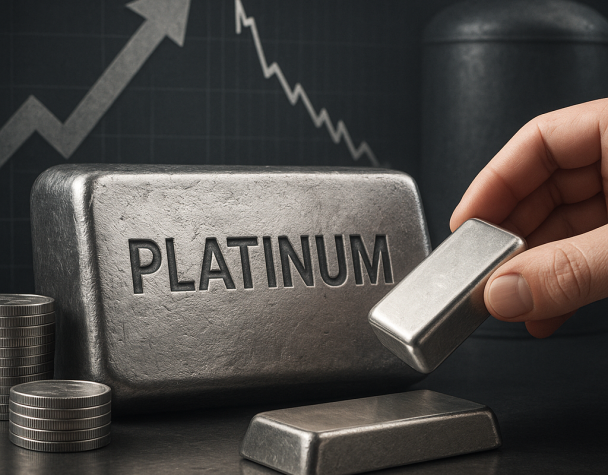
Platinum Market Faces Continued Deficits Amid Supply Constraints and Robust Demand
Tue, July 07, 2026Platinum Market Faces Continued Deficits Amid Supply Constraints and Robust Demand
The global platinum market is poised to experience its fourth consecutive annual deficit in 2026, driven by persistent supply constraints and sustained demand across various sectors. This ongoing imbalance underscores the challenges facing the industry and the potential implications for market participants.
Supply Constraints and Market Deficits
According to the World Platinum Investment Council (WPIC), the platinum market is projected to face a deficit of 240,000 ounces in 2026, following a substantial shortfall of 1.082 million ounces in 2025. This marks the fourth consecutive year of deficits, highlighting the ongoing supply challenges within the industry. The cumulative deficits since 2023 are nearing 3 million ounces, leading to a significant depletion of above-ground stocks, which are expected to fall to approximately 2.6 million ounces by the end of 2026, equating to just over four months of global demand.
Industrial and Investment Demand Dynamics
Despite the anticipated deficit, total platinum demand is expected to decrease by 8% in 2026 to 7.619 million ounces. This decline is primarily attributed to a reduction in investment inflows, as the extraordinary levels seen in 2025 are unlikely to be repeated. However, industrial demand is forecasted to rebound by 11% to 2.124 million ounces, driven by renewed capacity expansion in the glass sector and growth in chemical and hydrogen applications. Automotive demand, the largest source of platinum consumption, is projected to decline modestly by 3% to 2.943 million ounces, reflecting changes in vehicle production and powertrain mix.
Price Forecasts and Market Outlook
Analysts have adjusted their price forecasts in response to these market dynamics. Bank of America has raised its 2026 price forecast for platinum to $2,450 per ounce, up from $1,825, citing ongoing market deficits, U.S. tariff risks, and strengthening Chinese demand. Similarly, UBS has updated its platinum price forecast following a sharp rally, with prices reaching a 17-year high, driven by investor enthusiasm and slower-than-expected electric vehicle adoption, which has fueled expectations that platinum demand in autocatalysts could remain supported for longer.
Impact on Related Industries
The surge in platinum prices has had a ripple effect on industries that rely on the metal. For instance, the chemical sector has been notably impacted, with companies like Wacker Chemie increasing the price of some silicone products by more than 25% due to the sharp rise in platinum costs. This trend underscores the broader economic implications of the platinum market’s supply-demand imbalance.
Conclusion
The platinum market’s continued deficits, driven by supply constraints and robust demand, present both challenges and opportunities for investors and industries alike. While the anticipated deficit in 2026 is smaller than in previous years, the depletion of above-ground stocks and the potential for sustained high prices suggest that market tightness will persist. Stakeholders should closely monitor these developments to navigate the evolving landscape of the platinum market effectively.