
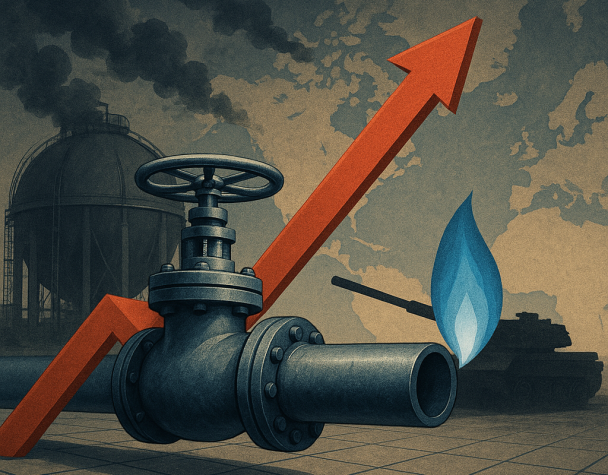
Natural Gas Prices Surge Amid Geopolitical Tensions and Supply Constraints
Tue, July 07, 2026Natural Gas Prices Surge Amid Geopolitical Tensions and Supply Constraints
In early March 2025, natural gas prices soared to their highest levels in two years, driven by a combination of extreme weather conditions, supply constraints, and escalating geopolitical tensions. This surge has significant implications for consumers, industries, and energy markets worldwide.
Severe Weather Drives Demand Higher
Arctic conditions across North America and Europe have dramatically increased heating demand, leading to higher natural gas consumption. The American Gas Association reported that a series of winter storms in February 2025 reinstated heightened levels of natural gas demand, similar to those experienced during January’s Arctic blast. As of February 13, natural gas futures prices had risen by 19.2% from the last trading day in January. Storage inventories fell below the five-year average, indicating strong demand during this period.
Supply Constraints and Tariffs Impact Market
On the supply side, domestic production faced challenges due to severe weather disrupting operations. Additionally, geopolitical factors have played a significant role. In February 2025, the U.S. government announced a 10% tariff on energy imports from Canada, including natural gas. Although the implementation of this tariff was paused until early March, the uncertainty surrounding it has contributed to market volatility. Canada supplies approximately 9% of the U.S. natural gas market, and such tariffs could drive up commodity costs, alter supply sources, and create potential disruptions.
Record LNG Exports Tighten Domestic Supply
Record levels of U.S. liquefied natural gas (LNG) exports have also put pressure on domestic supply. The global demand for LNG has surged, particularly in Europe, where reduced Russian gas flows have increased competition for alternative sources. This heightened global demand has led to increased U.S. LNG exports, further tightening domestic supply and contributing to higher prices.
Geopolitical Tensions Add to Price Volatility
Geopolitical uncertainties, including reduced Russian gas flows to Europe, have intensified global competition for LNG, further driving price volatility. The combination of these factors has created a complex and dynamic market environment, leading to significant price fluctuations.
Market Outlook
Looking ahead, the natural gas market remains sensitive to weather patterns, geopolitical developments, and supply dynamics. The Energy Information Administration (EIA) notes that natural gas prices are mainly a function of market supply and demand. Factors such as natural gas production, imports, storage inventory levels, weather conditions, economic activity, and the availability and prices of other fuels all play a role in determining prices.
In the short term, continued cold weather could sustain high demand, while any resolution of geopolitical tensions or adjustments in trade policies may influence supply dynamics. Market participants should closely monitor these developments to navigate the evolving landscape of the natural gas market.
In conclusion, the recent surge in natural gas prices underscores the interconnectedness of weather patterns, supply constraints, and geopolitical factors in shaping energy markets. Stakeholders must remain vigilant and adaptable to manage the challenges and opportunities presented by this volatile environment.