
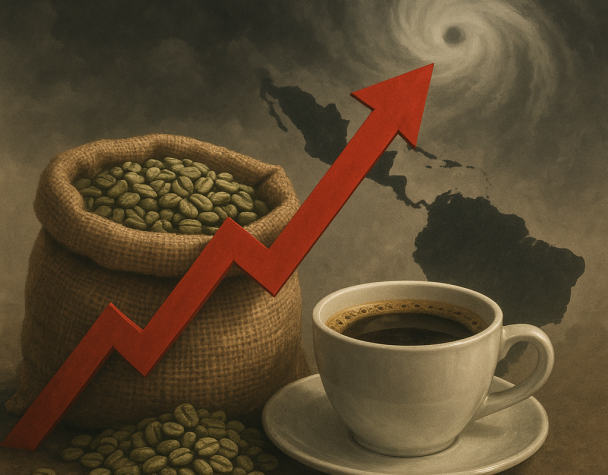
Future Coffee Prices Set to Rise as El Niño Disrupts Production
Sun, July 19, 2026El Niño’s Impact on Coffee Prices: A Two-Year Outlook
Global coffee prices are projected to remain elevated for at least the next two years due to the disruptive effects of the El Niño weather phenomenon on coffee-producing regions. This development poses challenges for both consumers and industry stakeholders.
El Niño’s Disruption of Coffee Production
El Niño, characterized by the periodic warming of sea surface temperatures in the Pacific Ocean, has historically led to significant climatic changes worldwide. In key coffee-producing countries like Brazil, Colombia, and Vietnam, El Niño can cause irregular rainfall patterns, droughts, and increased temperatures, all of which adversely affect coffee crop yields. These climatic disruptions have already led to reduced harvests and heightened concerns about future production capabilities.
Market Volatility and Supply Constraints
The coffee market has experienced notable volatility, with prices fluctuating due to supply constraints and unpredictable weather patterns. According to a report by the Los Angeles Times, industry experts anticipate that this volatility will persist, complicating efforts to stabilize prices. Giuseppe Lavazza, chairman of Luigi Lavazza SpA, emphasized the need for market stability before considering any reduction in prices.
Consumer Impact and Price Transmission
The effects of rising raw coffee prices are not immediately felt by consumers. A United Nations report highlighted that it typically takes about a year for price shocks in raw coffee to fully transmit to consumer prices, with residual impacts lasting up to four years. This delay means that consumers may continue to face higher coffee prices even after raw material costs stabilize.
Industry Response and Future Outlook
Coffee producers and retailers are closely monitoring the situation, with some considering adjustments to pricing strategies and supply chain operations to mitigate the impact of prolonged high prices. However, the unpredictable nature of El Niño and its long-term effects on coffee production make it challenging to forecast when prices might return to previous levels.
Conclusion
The ongoing influence of El Niño on global coffee production underscores the vulnerability of agricultural commodities to climatic events. As the industry navigates these challenges, consumers should be prepared for sustained higher coffee prices in the foreseeable future. Stakeholders across the supply chain must collaborate to develop strategies that enhance resilience against such environmental disruptions.