
Brazil Drought Pushes Arabica Futures 48-Year High
Wed, November 19, 2025Brazil Drought Pushes Arabica Futures 48-Year High
This week brought sharply bullish signals for Arabica coffee. Dry conditions in Brazil’s key producing states, a steady drawdown in ICE-certified stocks, and concentrated buying from roasters and index managers combined to push futures to levels not seen in decades. For commodity investors and industry participants, the latest developments create both near-term price risk and strategic opportunities.
What happened this week
Brazil’s drought and the crop outlook
Recent reports show rainfall in important Arabica-growing zones in Minas Gerais and Espírito Santo was well below normal during critical flowering and bean-development windows. Brazil’s official crop agency trimmed its Arabica forecast by roughly 4.9% to about 35.2 million 60-kg bags, and analysts are now factoring a tightened supply balance for the coming season.
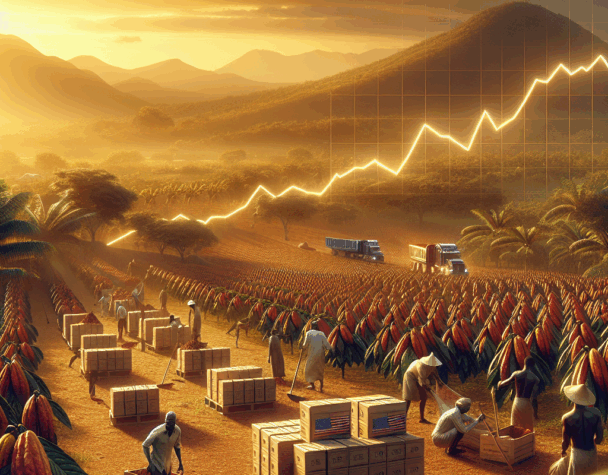
That deterioration has direct market impact: Arabica futures climbed toward roughly $4.36 per pound — levels not seen since the late 1970s — as traders re-priced the probability of a materially smaller Brazilian crop.
ICE inventories and price mechanics
ICE-certified Arabica stocks contracted this week, with reported warehouse totals dropping from about 418,200 bags to roughly 406,100 bags in successive reports. Robusta holdings likewise tightened to multi-month lows. Lower visible stocks increase sensitivity to any supply shocks and make futures more responsive to short-term demand surges.
Concurrently, March-contract activity and index-roll dynamics attracted strong buying from roasters and passive funds, supporting prices through what might otherwise have been a corrective phase. Reported large losses among some Brazilian traders—who faced margin pressures on hedges—underscore how quickly physical and financial stress can propagate through the supply chain when prices accelerate.
Why investors and roasters should care
Price risk and hedging implications
For hedgers, the choice is stark: lock in current high prices to avoid further upside, or remain exposed and risk significantly higher costs if weather or stock draws continue. For investors, the squeeze between tightening supply and steady demand increases the probability of sustained rallies; high volatility also raises the premium for properly sized options or staged entries.
Operational and credit stress for commercial players
Elevated futures have already led to margin strain for some exporters and trading firms, triggering debt-restructuring talks in specific cases. Roasters that delay hedging risk margin compression or the need to pass costs to consumers — a sensitive commercial decision in retail channels.
Positioning and near-term watchlist
How to think about positions
– Traders seeking directional exposure may prefer phased long positions or call option strategies to capture upside while limiting downside risk.
– Hedgers should re-evaluate existing programs: partial hedges, collar structures, or layered forwards can balance protection with flexibility.
Key near-term catalysts to monitor
- Rainfall updates in Minas Gerais and Espírito Santo — any meaningful improvement could ease the supply outlook quickly.
- Next ICE warehouse reports — further inventory erosion would keep the market tight.
- Roaster buying patterns and index-roll schedules — concentrated demand around roll dates has been a short-term price driver.
- Balance-sheet signals from major exporters and processors — new reports of credit stress or restructuring can disrupt physical flows.
Conclusion
In the span of a few days, a climate shock in Brazil plus visible stock draws and concentrated buying put Arabica prices at a multi-decade inflection point. That combination favors a bullish stance in the near term, but it also increases execution and credit risk for commercially exposed firms. Investors should prioritize disciplined entry sizing and option-based protection; roasters should re-assess hedging timetables and consider staged coverage. Watch rainfall and ICE stock updates closely — they will likely dictate whether this rally extends or finds meaningful relief.