
Ivory Coast Buys 700k Tonnes; Cocoa Prices Drop!!!
Wed, March 25, 2026Ivory Coast Buys 700k Tonnes; Cocoa Prices Drop!!!
Introduction
In the last week, concrete policy action from Côte d’Ivoire and clear delivery disruptions have reshaped cocoa supply dynamics. The Ivorian government announced purchases of about 700,000 metric tonnes of unsold beans at the seasonal guaranteed price while traders and warehouses report large port accumulations. That intervention comes as benchmark cocoa has plunged—losing roughly a quarter of its value in the past month and more than half year‑over‑year—forcing new trading, hedging and operational considerations for producers, exporters and investors.
What Happened This Week
Government Purchases: Size and Purpose
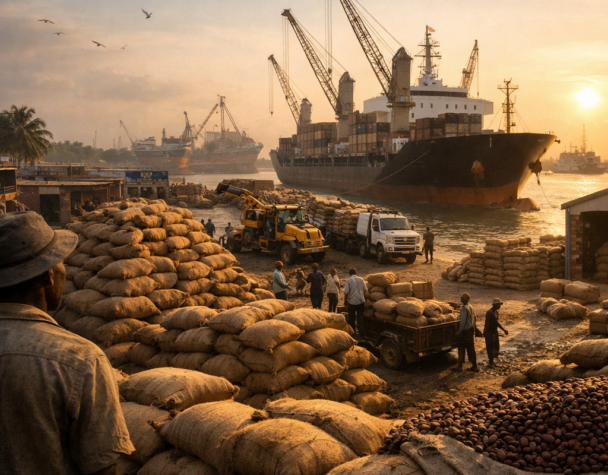
Côte d’Ivoire said it would buy around 700,000 tonnes of unsold cocoa at the guaranteed farmgate price to ensure farmers are paid and exports can proceed. The move is a direct response to buyers’ refusal to take delivery at lower prices and an accumulation of beans at ports and warehouses. For a country that supplies roughly 40% of the world’s cocoa, a purchase program of this scale is economically and logistically significant.
Port Build‑Up and Exporter Liquidity Strains
Exporters have been running into cash‑flow problems: with prices sharply lower, some buyers have delayed or canceled take‑ups, leaving ships and containers waiting. Observers report elevated inventory levels at major Ivorian ports. That pile‑up acts like a clogged valve—output still exists in origin, but effective supply to global buyers is reduced until clearing occurs or policy steps in.
Price Moves: Rapid and Large
Benchmark cocoa futures and cash prices have been volatile. Over the past month, prices fell roughly 23–24%, and the year‑over‑year decline approaches 55–60% from last season’s highs. These moves reflect both lower demand sentiment for confectionery commodities and the mechanical effects of de‑leveraging and delivery refusals on physical markets.
Why These Developments Matter
Immediate Price Support vs. Medium‑Term Risks
The government purchase acts like a short‑term price floor at the farmgate level: farmers receive set prices even when commercial buyers step back. That stabilizes incomes and prevents immediate social and political fallout. However, if the state releases stock back onto the international market quickly, it could widen the supply overhang and push prices lower. Conversely, if stocks remain off‑market, the effective global supply could tighten, supporting prices—but at the cost of higher fiscal burden.
Logistics Are a Price Driver
Think of the supply chain as a pipeline: production is the source, but clogged ports and unpaid invoices are the constrictions that determine how much oil reaches the buyer. In cocoa’s case, production may remain steady, but port and exporter constraints turn theoretical supply into constrained deliverable volume—an effect that can create abrupt price jumps or collapses depending on how those constraints resolve.
Implications for Traders and Producers
For Exporters and Origin Players
- Monitor cash‑flow closely: lower prices and delayed payments increase rollover risk and counterparty exposure.
- Prepare logistics contingency plans: demurrage, storage costs and insurance exposure rise as port dwell times increase.
- Coordinate with regulators: governments may impose delivery rules, stock controls or auction mechanisms—being proactive reduces operational surprises.
For Traders and Investors
- Volatility is elevated—use option strategies to define risk. Protective puts or collars can cap downside while leaving upside participation.
- Watch weekly shipment and port inventory data closely—these flow indicators will likely trigger short‑term price moves.
- Factor policy risk into models: fiscal strain in origin countries increases the chance of incremental interventions or export regulations.
Scenarios to Watch
Rapid Release Scenario
If the covered stocks are sold quickly onto the international market, expect renewed downward pressure as additional supply meets weak demand. This would favor short positions or more defensive hedges for producers expecting sales in the near term.
Stock Retention Scenario
If authorities hold stocks to support farmgate prices, delivered supply tightness could emerge, triggering rallies once available exportable volumes fall below consumption flows. That scenario benefits longs and creates opportunities for tactical buying on pullbacks.
Conclusion
The past week’s events in Côte d’Ivoire have converted soft sentiment into hard policy action: a large government purchase, port accumulations and steep recent price declines together make cocoa a high‑volatility, high‑policy‑risk commodity in the near term. For participants across the chain, the priority is to monitor physical flow data, manage counterparty and logistics exposure, and use hedging instruments to control downside while remaining positioned for rapid shifts if stocks are released or retained. These concrete developments will determine price direction in the coming weeks and should guide both operational and trading decisions.