
Aluminum Prices Surge Amid Middle East Conflict and Supply Chain Disruptions
Sun, July 12, 2026Aluminum Prices Surge Amid Middle East Conflict and Supply Chain Disruptions
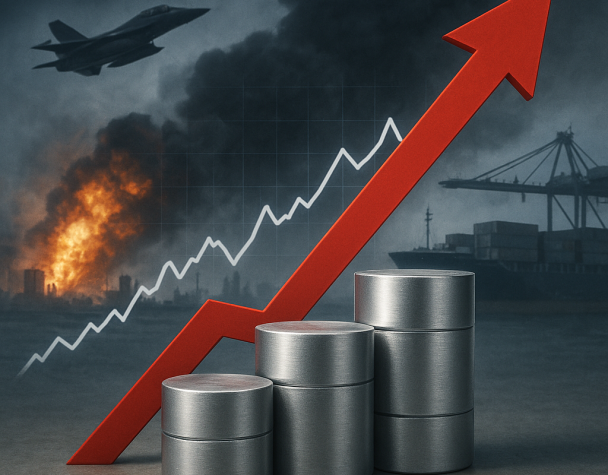
In recent months, the aluminum market has experienced unprecedented volatility, with prices reaching record highs. This surge is primarily attributed to the ongoing conflict in the Middle East, which has significantly disrupted supply chains and heightened market uncertainty.
Impact of Middle East Conflict on Aluminum Supply
The escalation of hostilities in the Middle East, particularly involving Iran, has led to substantial disruptions in the aluminum supply chain. The Strait of Hormuz, a critical chokepoint for global shipping, has been severely affected, impeding the transportation of aluminum and its raw materials. This disruption has removed approximately 2.4 million tonnes of aluminum from Western markets within just two months, marking one of the most significant supply shocks in recent history.
Record-High Aluminum Prices and Premiums
As a direct consequence of these supply chain disruptions, aluminum prices have soared. The U.S. Midwest Premium, a key indicator of aluminum pricing, has surpassed $1 per pound for the first time, reflecting the acute supply tightness. This surge has been further compounded by a 50% tariff imposed by the U.S. on aluminum imports in June 2025, exacerbating cost pressures for domestic consumers.
Industry Responses and Production Adjustments
In response to the escalating prices and supply constraints, major aluminum producers have adjusted their pricing strategies. Companies like Rio Tinto and Century Aluminum have increased premiums on aluminum billets by approximately 12%, aiming to offset the heightened costs associated with the disrupted supply chain.
Despite these challenges, some producers have managed to maintain or even slightly increase their output. For instance, Rio Tinto reported a 1% year-over-year increase in aluminum production for the first quarter of 2026, supported by stronger alumina production. However, this modest increase is insufficient to bridge the substantial supply gap created by the Middle East conflict.
Broader Implications for the Aluminum Market
The current supply crisis has far-reaching implications for various industries reliant on aluminum, including automotive, aerospace, and construction sectors. The elevated prices and supply shortages are prompting some manufacturers to seek alternative materials or adjust their production processes to mitigate the impact. Additionally, the situation underscores the vulnerability of global supply chains to geopolitical events and highlights the need for diversified sourcing strategies.
Conclusion
The aluminum market is navigating a period of significant upheaval, driven by geopolitical tensions and resultant supply chain disruptions. While some producers are making efforts to stabilize production, the overall market remains constrained, leading to record-high prices and premiums. Industries dependent on aluminum must adapt to these challenges, exploring alternative materials and strategies to ensure continuity in their operations.