
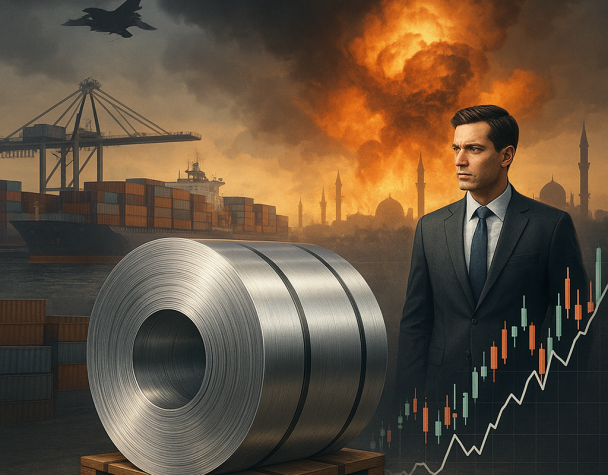
Aluminum Market Faces Volatility Amid Middle East Tensions and Supply Chain Disruptions
Sun, July 19, 2026Aluminum Market Faces Volatility Amid Middle East Tensions and Supply Chain Disruptions
In recent weeks, the aluminum market has experienced significant volatility, driven by escalating tensions in the Middle East and ongoing supply chain disruptions. These factors have led to sharp fluctuations in aluminum prices, impacting industries reliant on this essential metal.
Impact of Middle East Tensions on Aluminum Supply
In early June 2026, aluminum prices surged to a four-year high of $3,769 per metric ton. This spike was primarily due to the closure of the Strait of Hormuz and attacks on Gulf smelters, which disrupted approximately 9% of the global aluminum supply. The Strait of Hormuz is a critical chokepoint for global energy and commodity shipments, and its closure had immediate repercussions on the aluminum market.
However, by late June, prices declined to $3,200 per metric ton following an interim U.S.-Iran peace framework. This development raised hopes for reopening the strait and restoring the disrupted supply. The rapid price fluctuations underscore the aluminum market’s sensitivity to geopolitical events in key production regions.
Supply Chain Challenges and Market Reactions
Beyond geopolitical tensions, the aluminum market has faced challenges due to supply chain disruptions and trade uncertainties. In January 2026, the U.S. Aluminum Midwest Premium exceeded $1 per pound for the first time, reflecting tight spot supply and importers’ reluctance to commit to significant replacement stocks amid ongoing tariff uncertainties.
Additionally, the U.S. aluminum sector has seen mixed demand signals. While packaging and electrical applications have driven demand, the construction and automotive industries have struggled. The expansion of data centers has also increased aluminum demand, but it has simultaneously exacerbated energy challenges for primary aluminum producers.
Outlook and Industry Responses
Industry experts caution that the aluminum market’s volatility may persist. The combination of geopolitical tensions, trade policy uncertainties, and supply chain disruptions creates a complex environment for aluminum producers and consumers. Companies are closely monitoring these developments to adapt their strategies accordingly.
In conclusion, the aluminum market’s recent fluctuations highlight the intricate interplay between geopolitical events and supply chain dynamics. Stakeholders must remain vigilant and responsive to navigate the challenges and opportunities in this evolving landscape.