
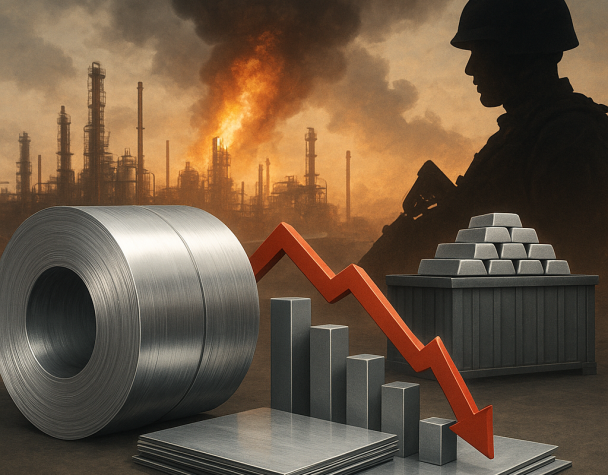
Aluminum Market Faces Supply Disruptions Amid Middle East Conflict
Tue, July 07, 2026Aluminum Market Faces Supply Disruptions Amid Middle East Conflict
In recent months, the global aluminum market has experienced significant volatility, primarily due to supply disruptions stemming from the ongoing conflict in the Middle East. These disruptions have led to a surge in aluminum prices, reaching levels not seen in nearly four years.
Supply Chain Disruptions in the Middle East
The Middle East is a critical hub for aluminum production, accounting for approximately 9% of the global output. The recent escalation of conflict in the region has severely impacted the transportation of aluminum and its raw materials. The closure of the Strait of Hormuz, a vital maritime passage, has halted shipments, causing significant delays and shortages in key markets such as Europe and the United States.
Notably, Norsk Hydro’s Qatalum smelter in Qatar announced a reduction in production capacity to 60% due to a constrained gas supply, a direct consequence of the regional unrest. This reduction underscores the vulnerability of aluminum production to geopolitical tensions.
Record-High Aluminum Prices
The supply constraints have had a pronounced effect on aluminum prices. On March 12, 2026, the benchmark three-month aluminum price on the London Metal Exchange (LME) reached $3,546.50 per metric ton, marking its highest level since late March 2022. This price surge reflects market concerns over the tightening supply and the potential for prolonged disruptions.
In the United States, the Midwest Premium—a surcharge added to the LME price to account for regional supply and demand dynamics—has also seen unprecedented increases. By January 26, 2026, the premium surpassed $1 per pound for the first time, driven by both the Middle East supply issues and existing trade policies.
Trade Policies and Market Dynamics
Compounding the supply challenges are the trade policies implemented by the United States. In June 2025, the U.S. government increased tariffs on aluminum imports to 50%, aiming to bolster domestic production. However, this move has led to reduced import volumes and heightened competition among domestic producers, further straining the market.
Additionally, the U.S. aluminum industry has demonstrated resilience in the face of these challenges. According to the Aluminum Association, companies are actively adjusting their supply chains to mitigate the impact of the Middle East conflict and trade tariffs. However, the association warns that prolonged disruptions could have more profound effects on the industry.
Market Responses and Future Outlook
In response to the supply shortages, commodity traders are taking significant actions. For instance, Mercuria plans to withdraw nearly 100,000 tons of aluminum from LME-approved warehouses in Malaysia to address the immediate supply needs in Europe and the U.S. This move highlights the urgency with which market participants are seeking to stabilize supply chains.
Looking ahead, the aluminum market remains on high alert. The duration and intensity of the Middle East conflict will be pivotal in determining future supply levels. Additionally, any changes in trade policies or further geopolitical developments could either exacerbate or alleviate the current market tensions.
In conclusion, the aluminum market is navigating a complex landscape marked by geopolitical conflicts and trade policy shifts. Stakeholders across the supply chain must remain vigilant and adaptable to manage the ongoing challenges and uncertainties.