
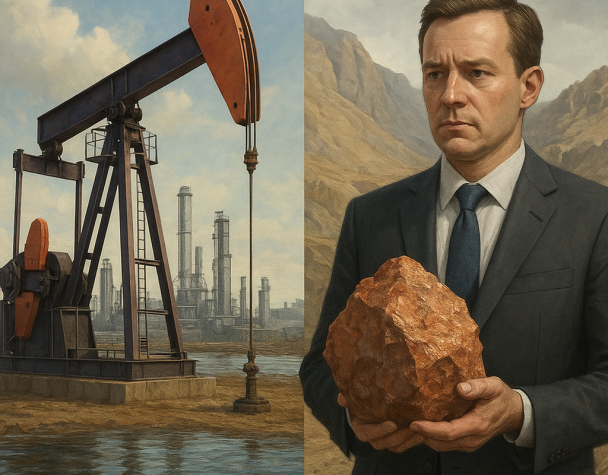
OPEC+ Lifts Crude Output Amid Hormuz Recovery as Antofagasta Cuts Copper Guidance After Chile Storm
Wed, September 30, 2026OPEC+ members including Saudi Arabia, Russia, Iraq, Kuwait, Kazakhstan, Algeria and Oman have agreed to raise their combined oil production target by 188,000 barrels per day starting in August, reversing part of the voluntary cuts implemented over the past year. The move comes as shipping through the Strait of Hormuz—previously hampered by regional conflict—begins to normalize, easing supply bottlenecks.
This marks the fifth consecutive monthly upward adjustment in OPEC+ production quotas, underscoring an effort to stabilize markets amid improving export flows. The rollback of deeper supply cuts reflects a growing confidence in the pace at which global crude supply can recover. Energy analysts note that the decision could weigh on oil prices by adding incremental volumes to already improving supply conditions.
Antofagasta Cuts Copper Output Guidance After Severe Weather Disruption
Chile’s Antofagasta Plc has narrowed its full-year 2026 copper production outlook, reducing expectations to between 625,000 and 655,000 tonnes—down from a previous range of 650,000 to 700,000 tonnes. The revision follows severe weather in its Coquimbo region last month that disrupted operations at the Los Pelambres mine, forcing a temporary shutdown and delaying pipeline and water system repairs.
The miner confirmed that operations have since resumed, and production shortfalls were largely contained. Nevertheless, the downgrade highlights vulnerability in copper supply chains, particularly as global demand for electrification materials remains high. Despite the production hit, stronger copper pricing helped bolster Antofagasta’s first-half earnings, with revenue and EBITDA expanding thanks to a noticeable rise in realized copper prices.
Why These Developments Matter
For commodity investors and policymakers, the OPEC+ production increase signals a shift toward easing energy supply constraints, potentially capping oil’s upward momentum and containing inflationary pressures tied to fuel costs. Simultaneously, the tightening of copper guidance by Antofagasta spotlights how weather risks and operational fragility in major mining regions can disrupt the supply of critical industrial metals, adding uncertainty to markets pivotal for the energy transition.
Investors monitoring energy and base metals markets should weigh the contrasting dynamics—an easing energy supply picture against continuing structural risks in metal production. Future moves by OPEC+, weather-related developments in mining regions, and industrial demand trends—particularly in infrastructure and clean energy sectors—will be key to shaping commodity market trajectories for the remainder of 2026.