
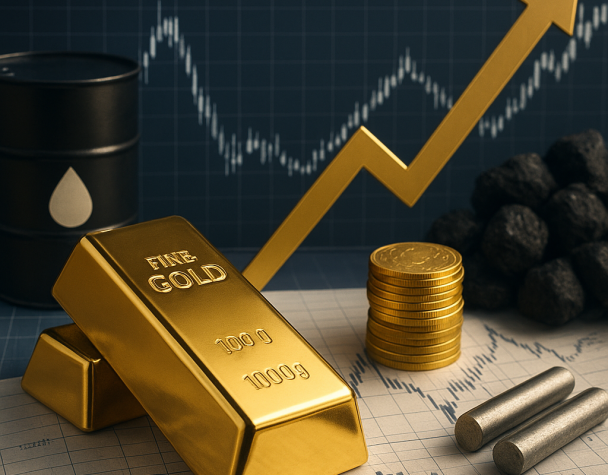
Gold's Dominance in Q2 Trading Amidst Commodity Market Shifts
Sun, July 26, 2026Gold’s Dominance in Q2 Trading Amidst Commodity Market Shifts
Gold Leads Q2 Trading Volumes
In the second quarter of 2026, gold emerged as the dominant asset in the commodity trading sector. According to Capital.com, a global online derivatives trading platform, gold accounted for 42.4% of the total trading volume on their platform during this period. This significant share underscores gold’s appeal as a safe-haven asset amid market uncertainties.
Market Dynamics and Trading Behavior
Capital.com’s report highlighted a total client trading volume of $1.13 trillion for Q2 2026, with gold leading the commodities segment. Notably, the platform observed a 23.2% decrease in the number of trades compared to the previous quarter, totaling 34.9 million trades. However, the average trade size increased by 16.0% to $32,418, indicating that while fewer trades were executed, investors placed larger individual positions. This trend suggests a strategic shift towards more substantial investments in gold during periods of market volatility.
Impact of Geopolitical Events
The report also noted that April was particularly active for commodity markets due to the closure of the Strait of Hormuz, a critical chokepoint for global oil shipments. This disruption affected energy and precious metals markets, contributing to increased trading volumes in gold as investors sought stability amidst geopolitical tensions.
Conclusion
Gold’s substantial share in Q2 trading volumes reflects its enduring status as a preferred asset during uncertain times. The combination of geopolitical events and market volatility has reinforced gold’s role as a cornerstone in commodity trading strategies.
Silver’s Price Fluctuations Amid Oil Swings and Rate Concerns
Silver’s Market Performance
In recent weeks, silver prices have exhibited notable volatility, influenced by fluctuations in oil prices and concerns over interest rate adjustments. Analysts suggest that silver may remain within a $54-61 range in the near term, as these factors continue to impact the market.
Analyst Insights
Praveen Singh, Head of Commodities at Mirae Asset Sharekhan, commented on the situation, stating that rising oil prices have fueled inflation concerns and increased expectations of higher interest rates. These developments have, in turn, affected silver prices, leading to the observed market fluctuations.
Conclusion
Silver’s recent price movements highlight the interconnectedness of commodity markets, where changes in one sector can have ripple effects across others. Investors should remain vigilant, considering both macroeconomic indicators and sector-specific developments when making investment decisions.