
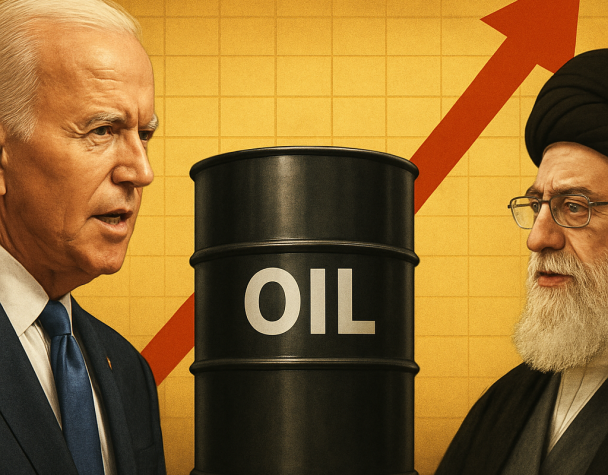
Escalating US-Iran Tensions Propel Oil Prices to One-Month High
Sun, July 19, 2026Escalating US-Iran Tensions Propel Oil Prices to One-Month High
Oil Prices Surge Amid Renewed US-Iran Strikes
In the past week, oil prices have experienced a significant uptick, reaching their highest levels since mid-June. This surge is primarily attributed to escalating tensions between the United States and Iran, marked by renewed airstrikes and a reinstated blockade of Iranian shipping in the Strait of Hormuz. Brent crude closed at its highest since June 12, while West Texas Intermediate (WTI) reached its peak since June 15.
Geopolitical Strains Intensify in the Strait of Hormuz
The Strait of Hormuz, a critical chokepoint through which approximately 20% of the world’s oil passes, has become a focal point of geopolitical conflict. The U.S. reinstated its blockade of Iranian shipping, leading to intensified attacks from both sides in the region. These developments have heightened concerns over potential disruptions to global energy supplies, contributing to the recent spike in oil prices.
Market Reactions and Economic Implications
The oil market’s response to these geopolitical events has been swift. Brent crude futures climbed to a four-week high, while WTI saw similar gains. The price of Brent crude, the international standard, gained 3.9% to $78.96 per barrel, while U.S. benchmark crude oil added 4% to $74.26 per barrel. These increases reflect market apprehensions about supply disruptions and the broader economic implications of escalating Middle East tensions.
Broader Impact on Commodity Markets
The ripple effects of the U.S.-Iran conflict extend beyond oil. Gold prices have come under pressure due to concerns over potential rate hikes by the U.S. Federal Reserve, influenced by the escalating conflict. Analysts suggest that the combination of a hawkish Fed stance and Middle East tensions could keep gold prices subdued in the short term.
Conclusion
The recent escalation in U.S.-Iran tensions has had a pronounced impact on global commodity markets, particularly oil and gold. As the situation in the Strait of Hormuz continues to evolve, market participants remain vigilant, closely monitoring developments that could further influence commodity prices and global economic stability.